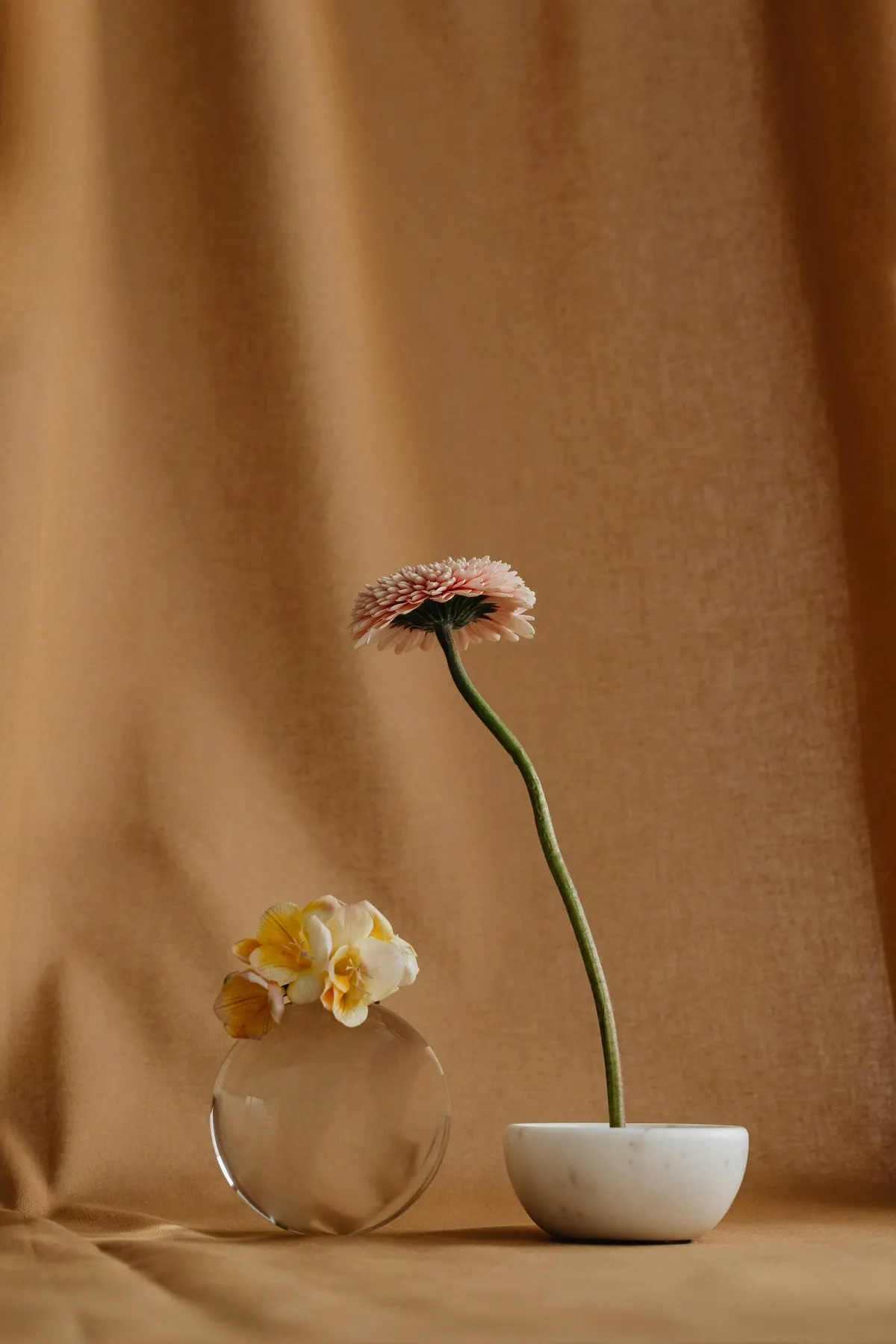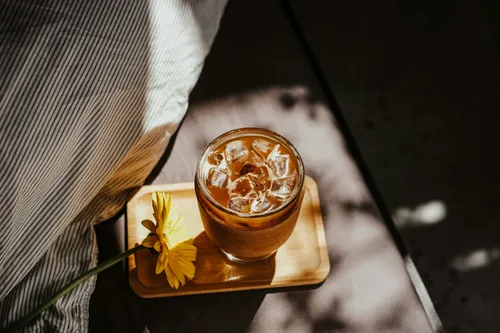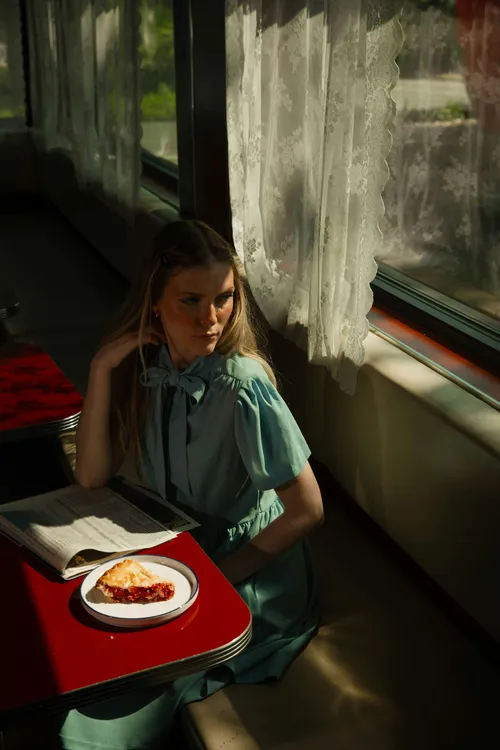
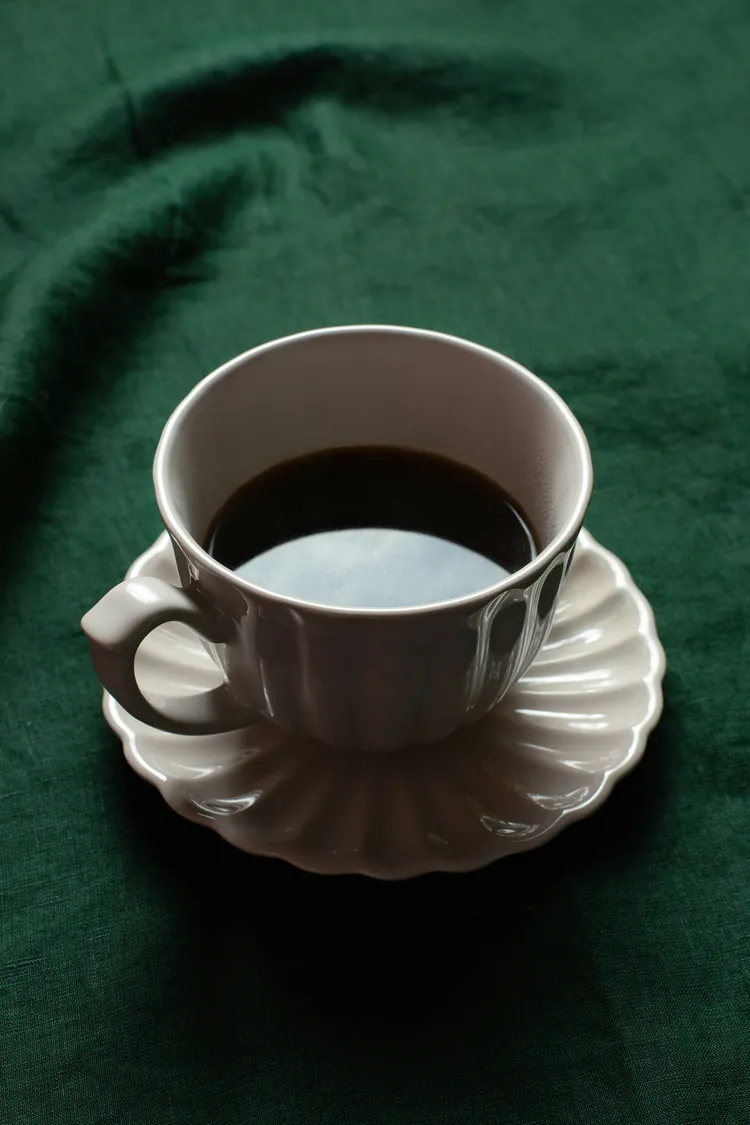
A seasonal meal starts before the plate. It begins with the market table, the color of fruit in a bowl, the weight of a linen cloth, and the question of what kind of light the meal wants. Color can make a simple table feel considered without adding much more to it. It gives the meal a first sentence before anyone has sat down.
Begin with one anchor color and let the rest of the table support it. If tomatoes are the anchor, keep the cloth quieter. If the dish is pale, let the greens and ceramics bring shape. This prevents the table from becoming a collection of separate ideas. The table does not need every color of the season at once. It needs one clear mood and a few supporting notes.
The same restraint helps the menu. One bright dish, one grounding dish, one quiet side, and one thing served at room temperature can make a table feel full without becoming heavy. The meal starts to have rhythm instead of simply having variety. Variety can impress at first glance, but rhythm is what makes people want to stay.
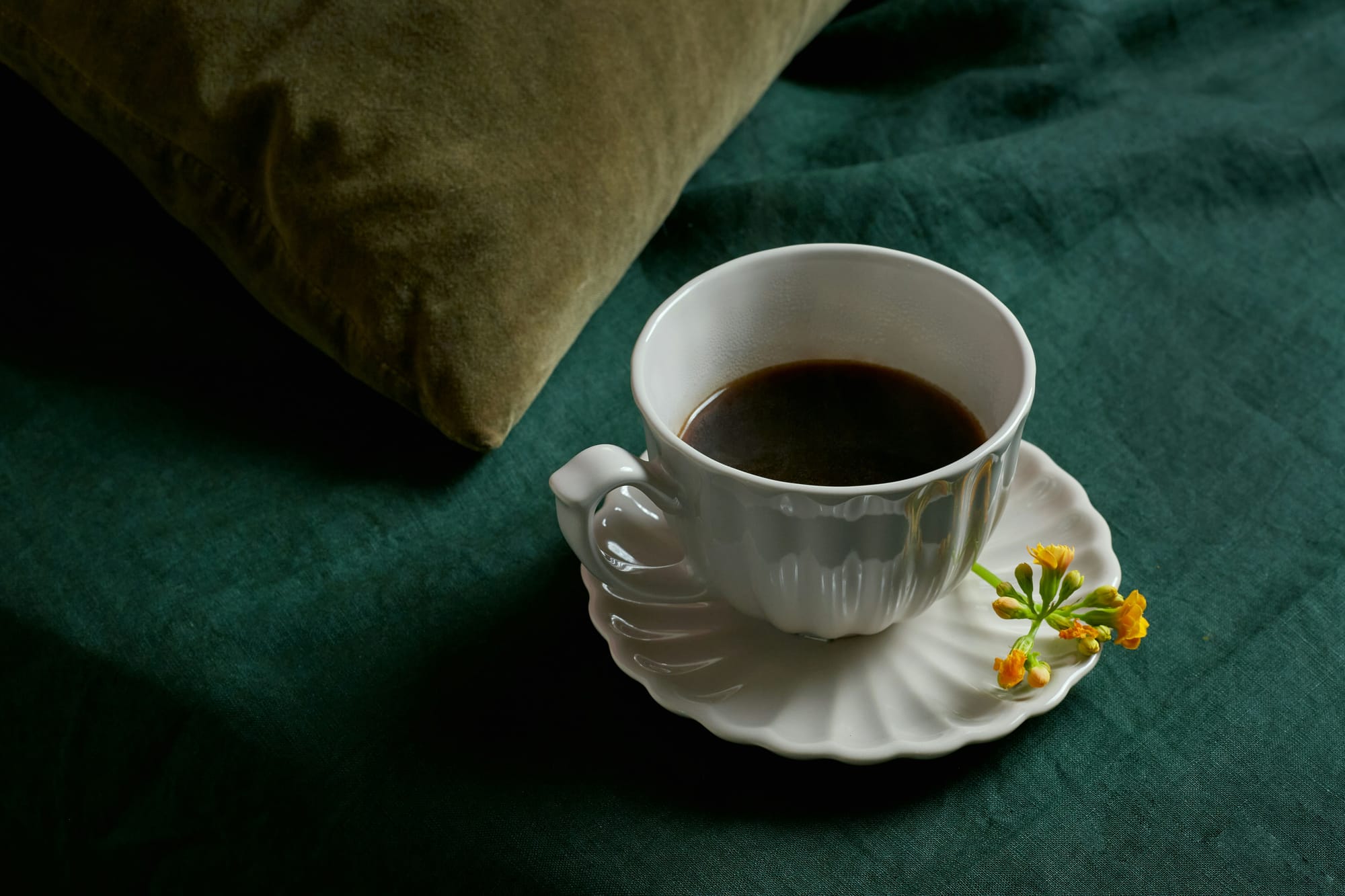
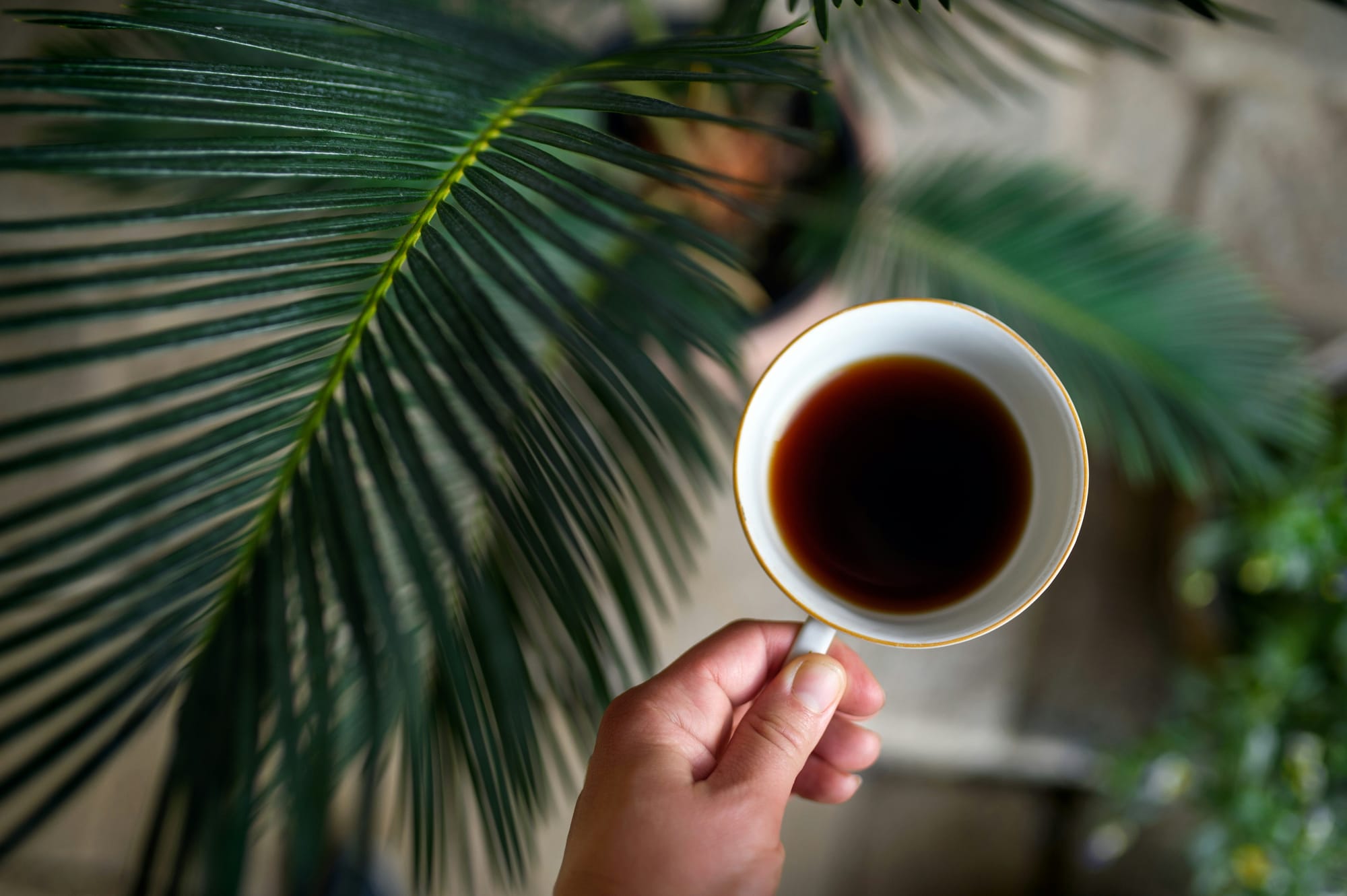
A food image should still make the meal feel reachable. Leave space for a hand, a spoon, a torn piece of bread, or a serving dish that has already been used. These details keep the table from becoming a display. They let color serve appetite instead of replacing it. The most beautiful table is not always the most inviting one.
The most beautiful table is not always the most inviting one.
Seasonal cooking is full of small permissions. Use what is ready, let one color lead, and keep the setting simple enough that the food can stay alive. A table becomes memorable when it has a point of view, but that point of view should make eating easier, not more cautious.
Seasonal color is easiest to trust when it comes from the food first. A table built around ripe fruit, deep greens, pale beans, or the darkness of roasted edges already has a reason for its palette. The cloth, plate, flower, and glass can follow rather than compete. When the setting begins from the meal, the whole table feels less styled and more inevitable. It looks arranged because someone was paying attention, not because every object was auditioning.
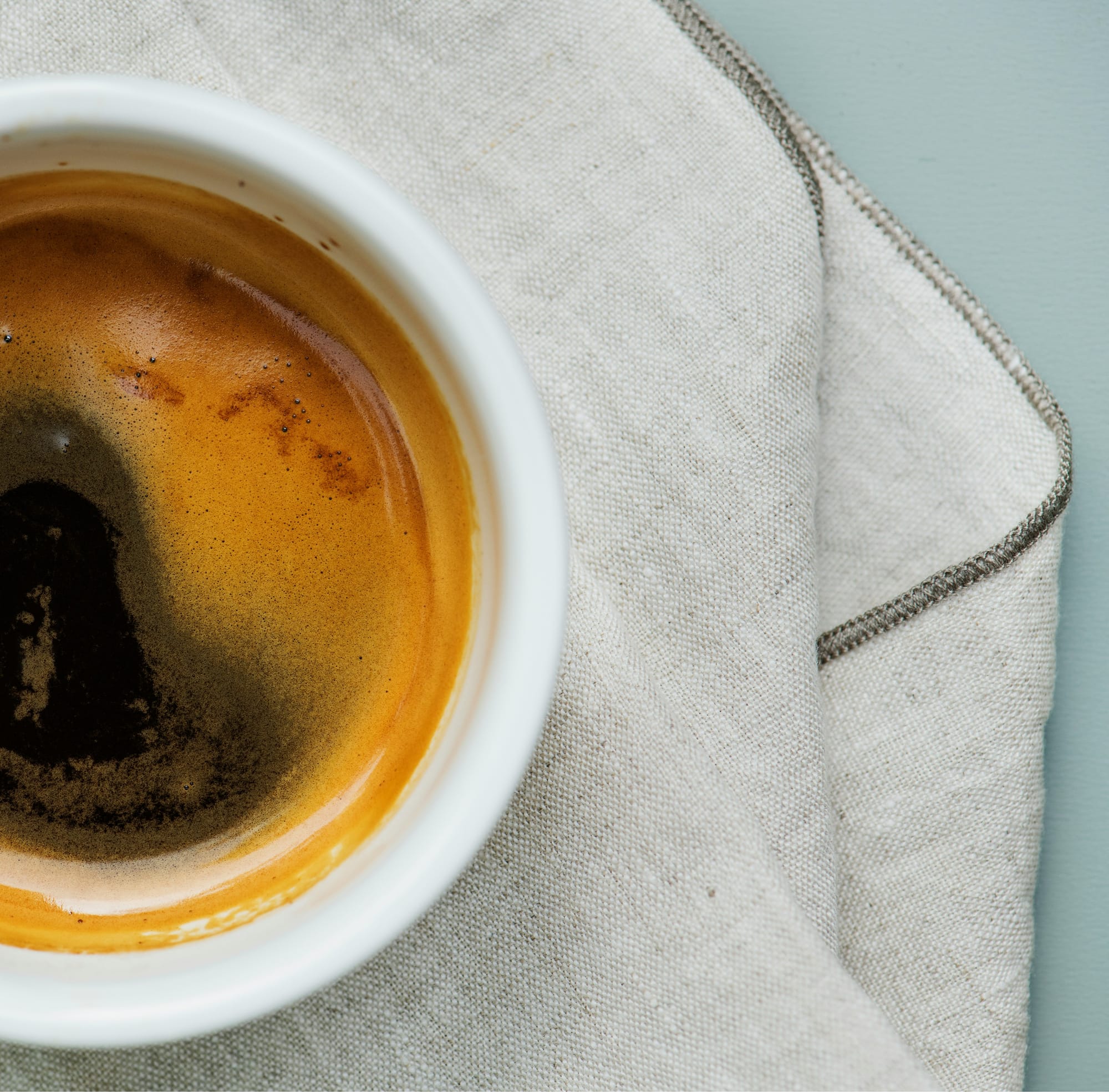
The most memorable tables often have one small imperfection that keeps them alive. A spoon left in the bowl, a stained cutting board, a plate that does not match the others, a napkin folded by hand rather than pressed flat. These details keep appetite close to the image. They remind the viewer that the table is not a finished composition in a sealed room. It is a place where people are about to sit down, reach across, and change the arrangement by using it.
The table should also make room for time. A seasonal meal looks different before serving, during the meal, and after people have started reaching across it. The most interesting version may not be the untouched one. A spoon in a sauce, a torn piece of bread, a glass moved closer to the light can make the table feel more complete because use has entered the picture.
Color is strongest when it supports that use. It should sharpen appetite, not make the table feel too precious to disturb. The red of fruit, the green of herbs, the white of a plate, the dark edge of roasted vegetables: each color should feel like part of the meal's generosity. A seasonal table is not a still life pretending to be dinner. It is dinner held still for a moment before it changes.