

A kitchen ritual does not need to be elaborate to be useful. On busy days, the best ritual is the one that creates a little order before hunger turns every choice into pressure. It begins by clearing one surface, filling a glass of water, choosing a knife, and placing the ingredients where they can be seen. None of this is ceremony. It is a way to make the next decision easier.
Choose a base that can carry the meal without asking for constant attention: rice, lentils, pasta, greens, or warm bread. While it cooks, prepare one bright element and one soft element. Lemon and yogurt. Herbs and beans. Pickles and eggs. This small structure keeps dinner flexible without making the cook invent a whole plan from nothing. It gives the meal enough architecture to hold whatever the day has left behind.
The ritual works because it is repeatable. It gives the evening a shape even when the day has already used most of its patience. You are not trying to become a different person in the kitchen. You are giving the person who arrived tired a few reliable moves. The comfort comes less from the food being special than from the process being familiar.

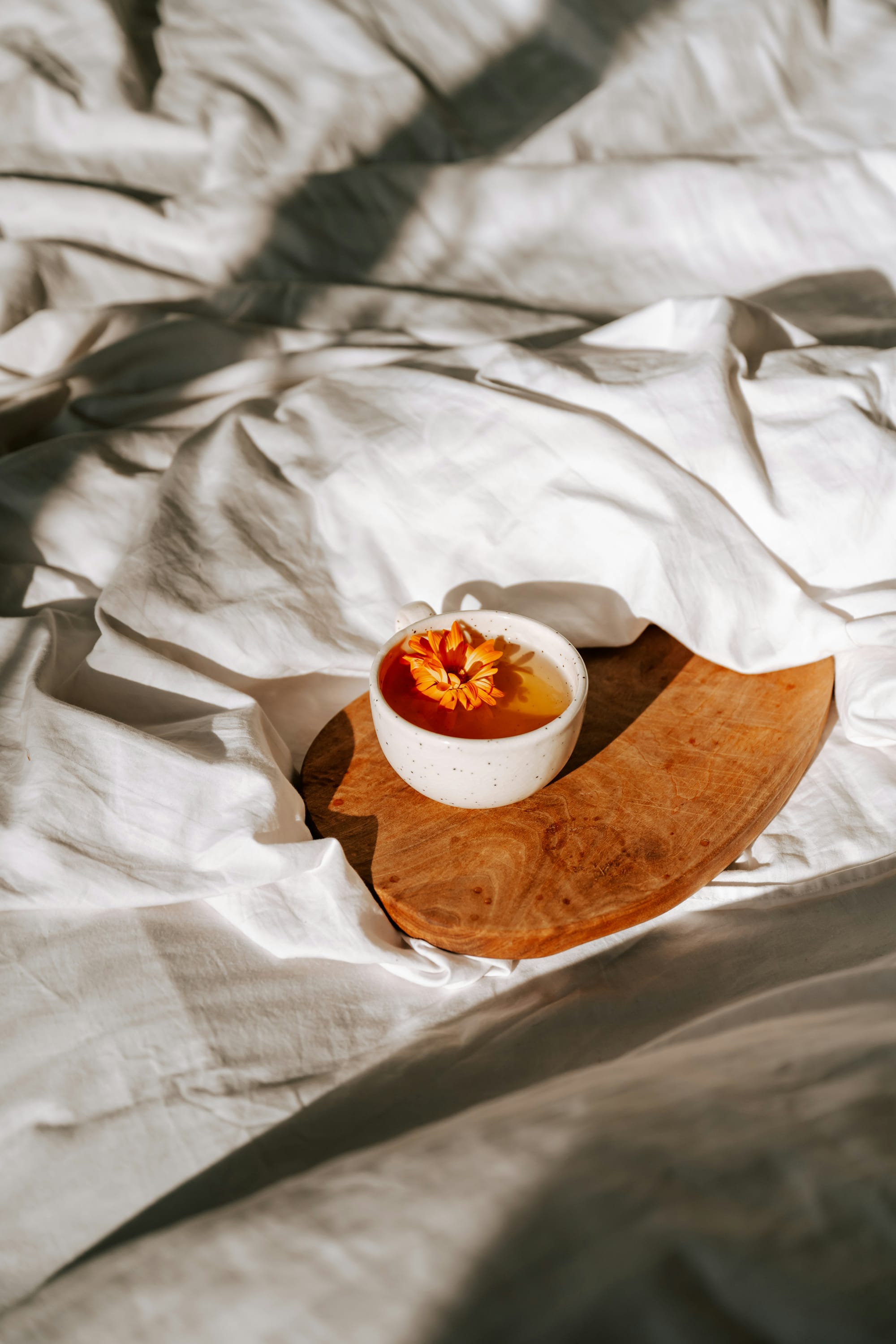
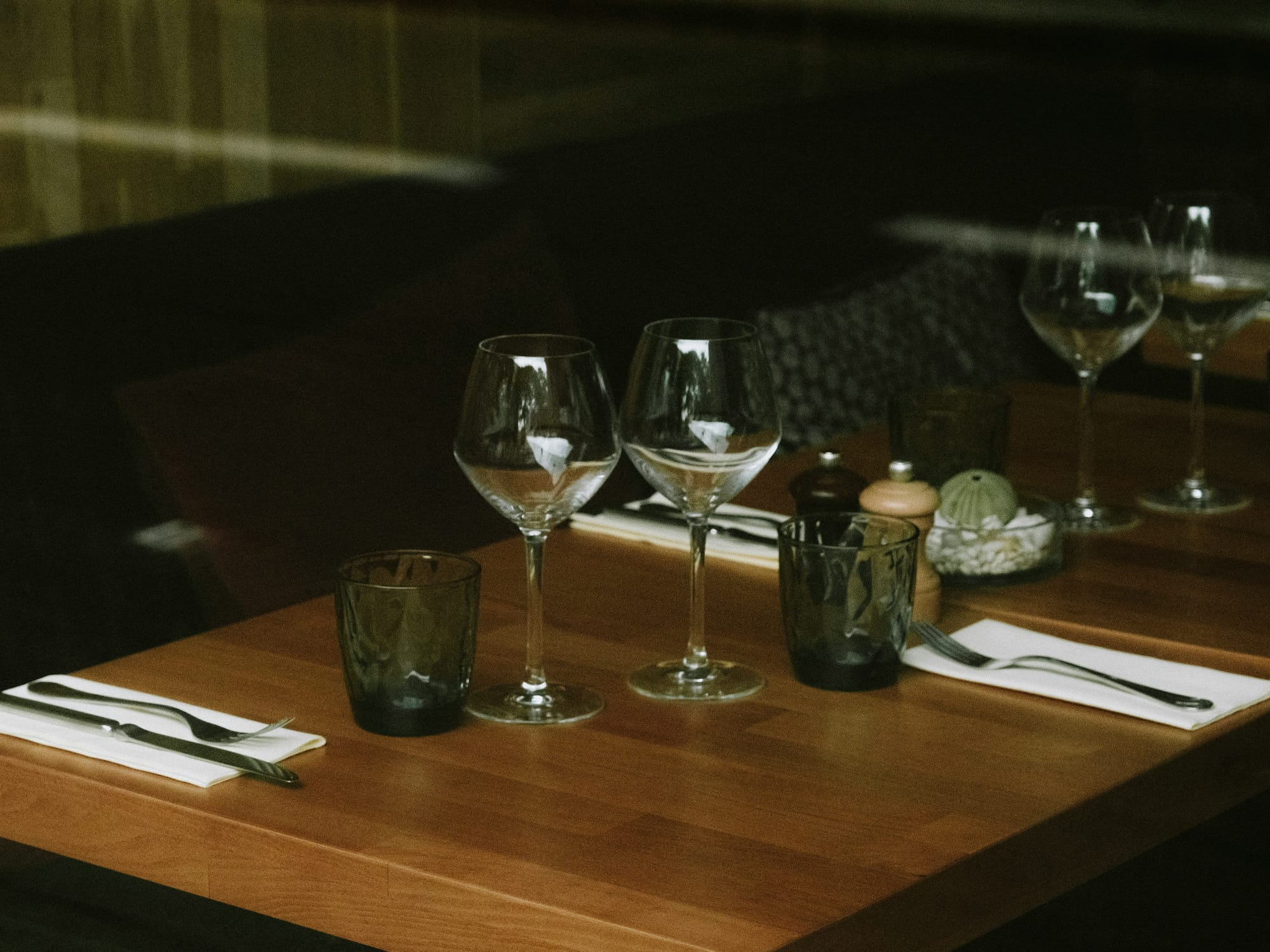
The quietest part is cleaning during the pauses. Wipe the board while the pan warms. Rinse the knife while the rice rests. Put one thing away before adding another to the plate. By the time the food is ready, the kitchen still feels usable, and that changes the meal more than expected. You sit down with less residue from the day and more room to taste what you made.
The smallness is the point.
A good kitchen habit should not impress anyone. It should make the next meal easier to begin. If the ritual becomes complicated, reduce it until it can survive an ordinary Tuesday. The smallness is the point. A ritual that only works on a perfect evening is decoration; a ritual that works when the day is crowded becomes part of the life around it.
The ritual becomes easier when the kitchen stops being treated like a place where every meal must begin from zero. A jar of cooked grains, a bowl of washed herbs, a lemon cut and waiting in the fridge, a pan that stays within reach: these are not shortcuts as much as invitations. They lower the threshold between wanting to eat well and having enough patience to make something. The busiest evenings often need the most ordinary forms of care.

There is also relief in making the same kind of meal more than once. Repetition can feel unimaginative from the outside, but inside a working week it becomes generous. You learn how long the base takes, how much salt it wants, what can be added without changing the whole mood. The ritual becomes less about deciding and more about noticing. When the food finally reaches the table, the achievement is not that dinner is impressive. It is that the day has been softened by a sequence you could still manage.
A ritual like this also resists the pressure to turn every meal into a project. There are evenings when dinner should not require ambition. It should only require a path. The path can still have beauty in it: the red of a cut tomato, steam on the lid, a knife rinsed and returned to its place. These details do not make the meal elaborate. They make it present.
After enough repetitions, the ritual begins to carry memory. You know which bowl you reach for, how the rice sounds when it is ready, how the kitchen smells just before the heat is lowered. The habit becomes personal not because it is unique, but because it has been lived in. That is the quiet power of a small kitchen ritual: it turns ordinary care into something recognizable.