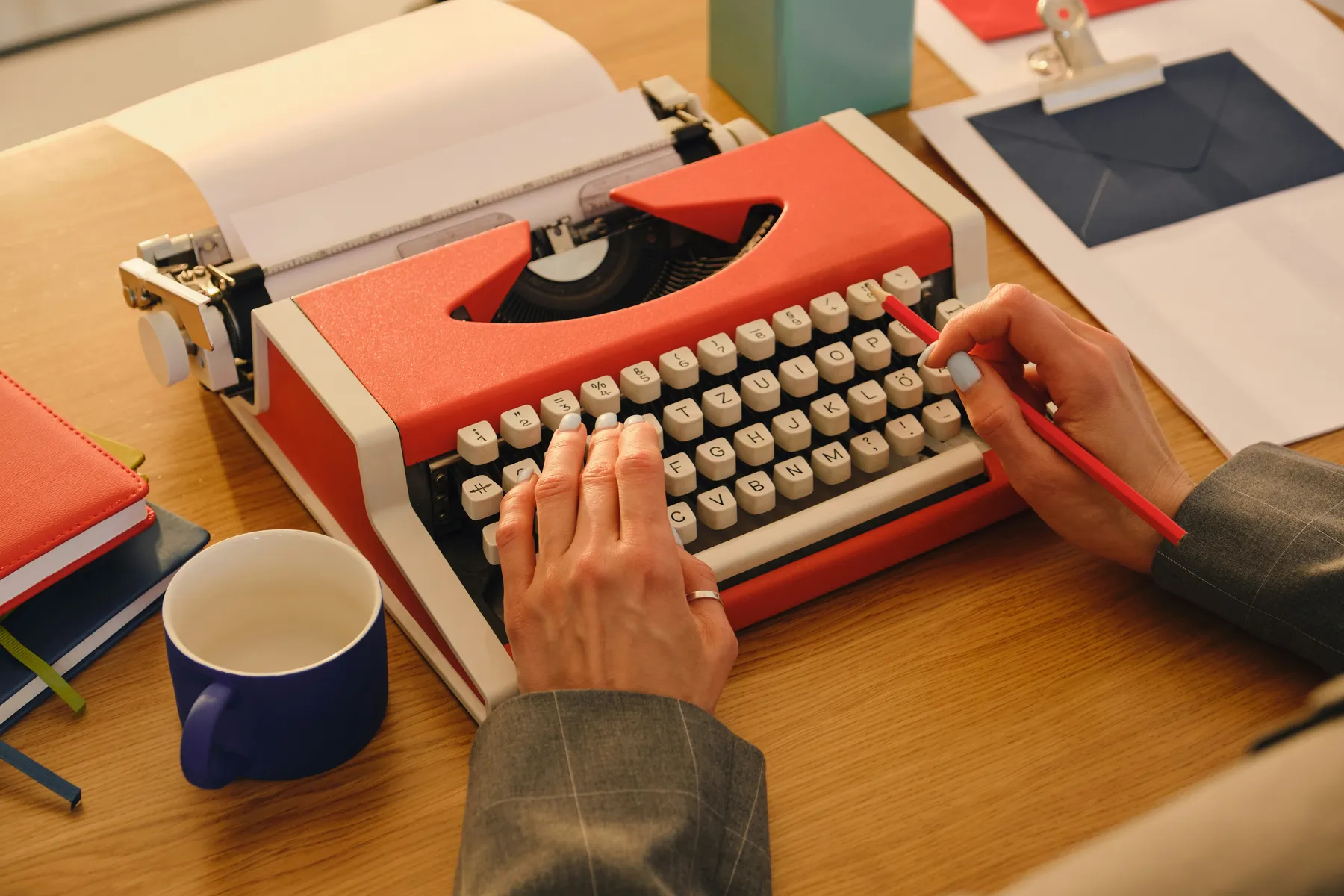

A lo-fi session works when the room is allowed to remain in the sound. The table is not disguised, the cables are not hidden, and the objects around the mixer stay close enough to remind you that music is being made in a real place. The point is not to make the setup look casual. It is to let the image carry the same texture as the track. A room can be modest and still give music a body, if the frame is patient enough to notice what the room is doing.
The first decision was to keep the camera slow. A faster edit made the session feel like a performance clip; a slower edit made it feel like listening. The frame stayed with small actions longer than usual: a hand returning to a knob, a pause before a sample, the brief stillness after a loop settles into place. These moments did not explain the track, but they gave it a visual rhythm. The viewer had time to feel the difference between a room being used and a room being shown.
Lighting did most of the work. A lamp warmed the back wall, a window softened the edge of the table, and the darker corners were left alone. The room needed enough shape to be remembered, but not so much contrast that it competed with the sound. In a more polished setup, every object might have been lit until it became important. Here, the shadows were allowed to keep their share of the atmosphere.

The edit was built around duration rather than coverage. Some shots hold past the obvious beat because the session feels better when the viewer can settle into it. The eye starts to notice the practical details: the curve of a cable, the small stack of records, the way a hand waits before making the next adjustment. These are not decorative details. They are the visual equivalent of room noise, the slight grain that makes the track feel close.
The track did not feel as though it had been extracted from the room.
By the end, the room feels less like a backdrop than a collaborator. Nothing about the setup is grand, and that is why it works. The session stays close to the listener, asking for attention rather than spectacle. It suggests that a music film can be intimate without becoming private, and quiet without becoming thin.
What made the session feel finished was not polish but proportion. The room had enough texture to hold the sound, the sound had enough space to move, and the camera never tried to become the main performer. The best moments were almost transitional: a hand leaving the frame, a light catching the edge of a speaker, a pause long enough to remind the viewer that someone is listening while making. These details are easy to cut because they do not announce themselves, but without them the piece becomes only evidence of a track rather than an atmosphere around it.
There is a useful restraint in letting music remain partly private. The viewer does not need to understand every choice in the session, and the room does not need to become a diagram. It is enough to feel that the sound has a place to belong. In that sense, the film is less about production and more about hospitality. It prepares a small room for attention, then lets the track enter without turning the moment into instruction.
The best visual music work understands that listening is not passive. A person listening closely is making dozens of small adjustments: leaning back, waiting through a phrase, recognizing a pattern, letting one texture move behind another. The film tried to make room for those invisible adjustments. It did not need to show a reaction shot or explain the mix. It only needed to leave enough space for the viewer's own listening to become active.
This is where the lo-fi language becomes useful rather than merely aesthetic. It accepts a little grain, a little room tone, a little unevenness at the edge of the frame. These qualities can be overused, but here they served the session by keeping it close to life. The track did not feel as though it had been extracted from the room. It felt as though it had grown out of the room's patience.