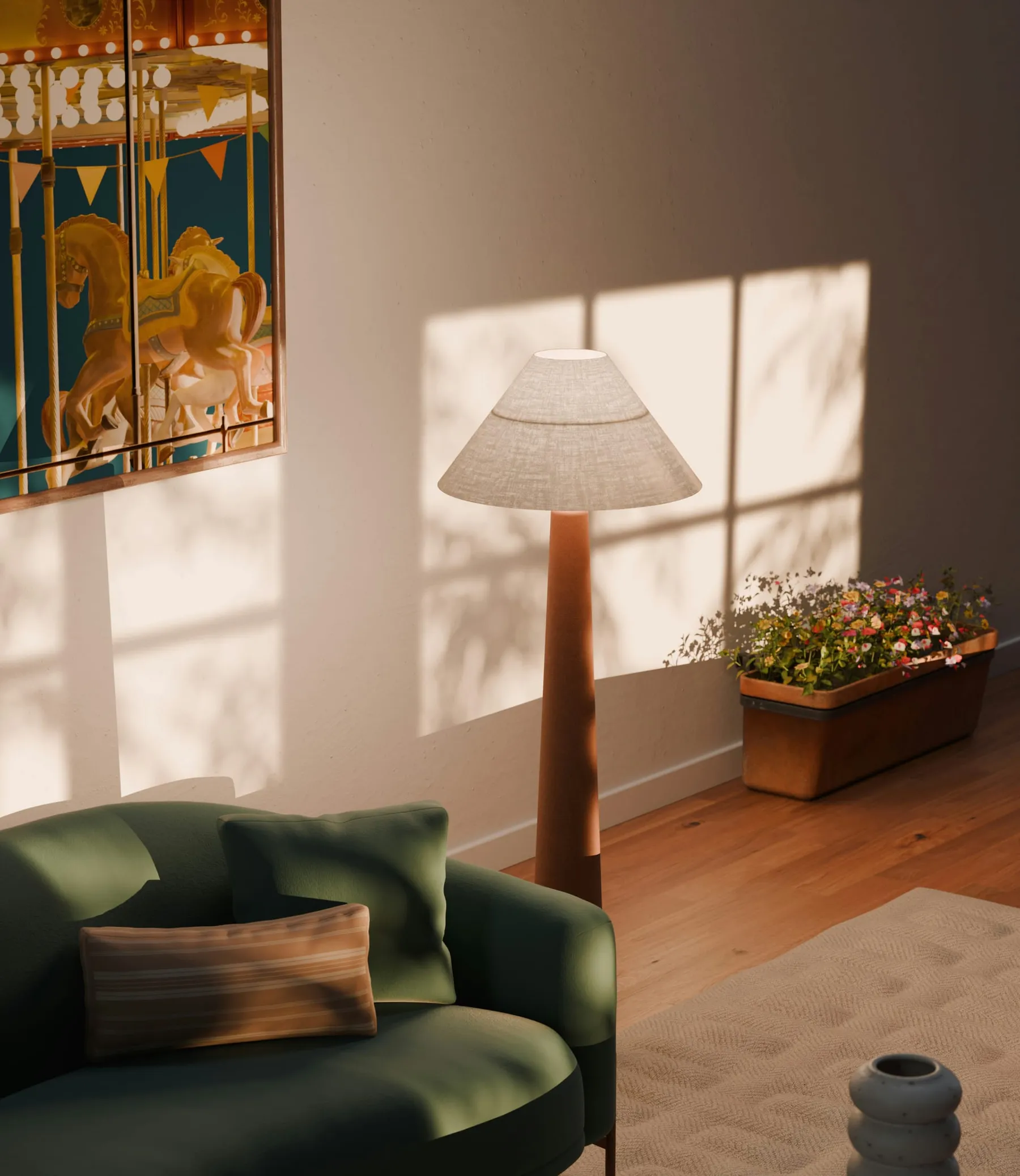
Quiet rooms are easy to over-direct. Move too much and the photograph becomes a showroom; move too little and the frame can feel accidental. The better approach is to study what the room is already offering. Light, distance, use, and the small evidence of a person passing through can carry more atmosphere than any added object. A home does not need to be made silent in order to feel calm. It needs to be listened to.
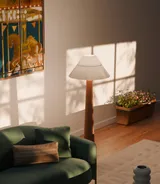
Begin with the light before the furniture. Watch where the room is most generous, then build the frame around that generosity. A chair, shelf, or stack of books can become interesting once the light has chosen it. Without that first decision, styling tends to become compensation. The photograph starts asking objects to do work that the light should have done.
A home also needs signs of use. A folded cloth, a cup, an open book, or a chair pulled slightly from the table tells the viewer the room has a life outside the photograph. The trick is restraint. One human trace can be enough; too many turn evidence into performance. The room should not feel abandoned, but it should not feel interrupted by a set designer either.
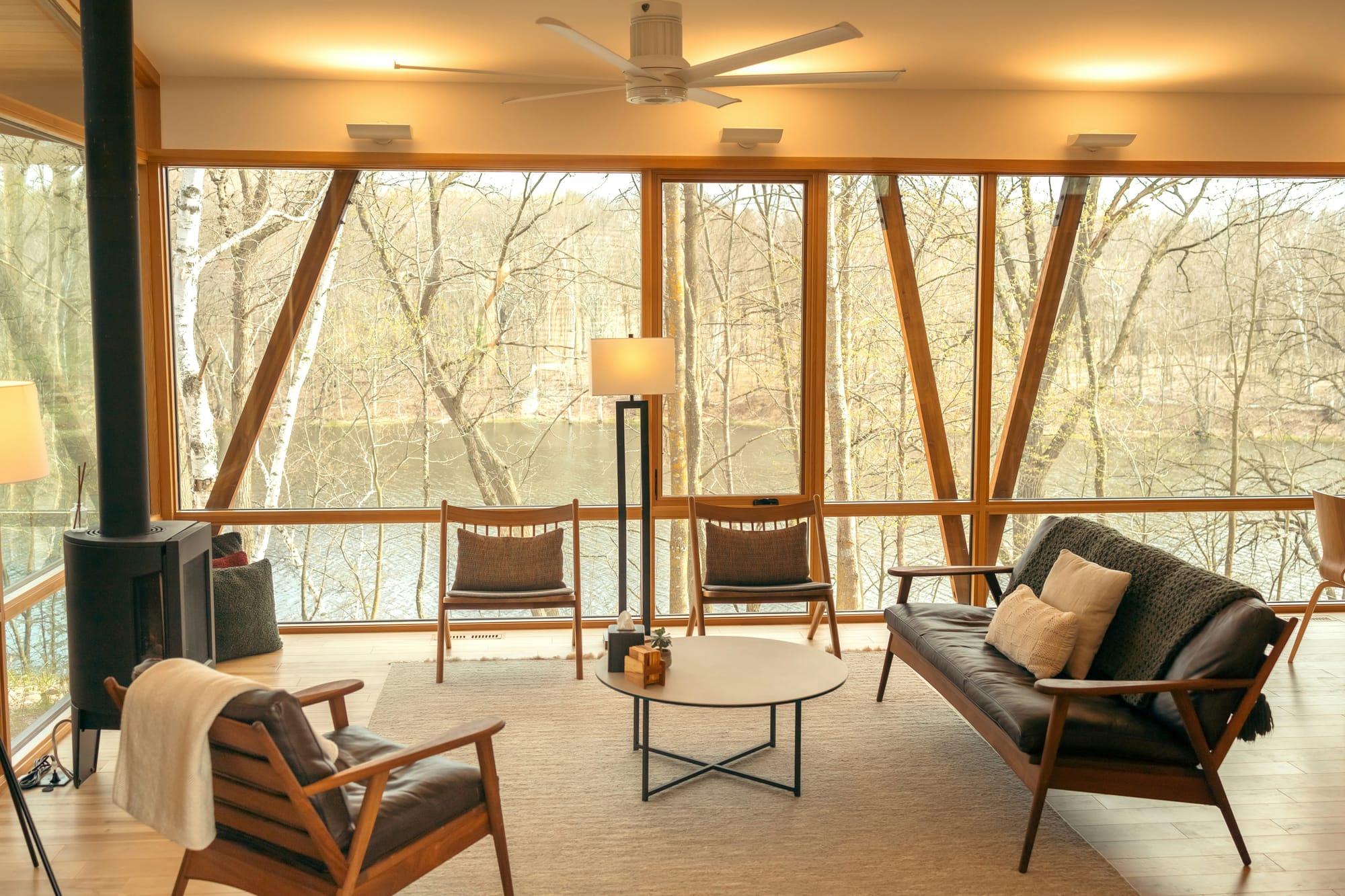
One useful exercise is to photograph the same room from three distances. The doorway explains mood, the furniture explains use, and the object explains touch. Together they create a fuller story than a single perfect frame. The sequence also keeps the room from becoming anonymous; it has scale, habit, and detail. The viewer understands not only what the room looks like, but how the room asks to be entered.
A home does not need to be made silent in order to feel calm. It needs to be listened to.
The best quiet interior does not explain the entire home. It leaves enough space for the viewer to imagine the rest. Negative space is not emptiness here; it is the part of the image that lets the room breathe. A good photograph can make a room feel calm without making it feel empty, and lived in without making it feel crowded.
The temptation with quiet rooms is to make them too perfect. A cushion is straightened, a book is aligned, a cup is removed because it feels too ordinary, and gradually the photograph loses the very life it was meant to hold. Domestic quiet is rarely symmetrical. It has small interruptions inside it, and those interruptions are often what make the image trustworthy. A room should look cared for, but not sealed. It should suggest that someone could return without feeling they had disturbed a set.
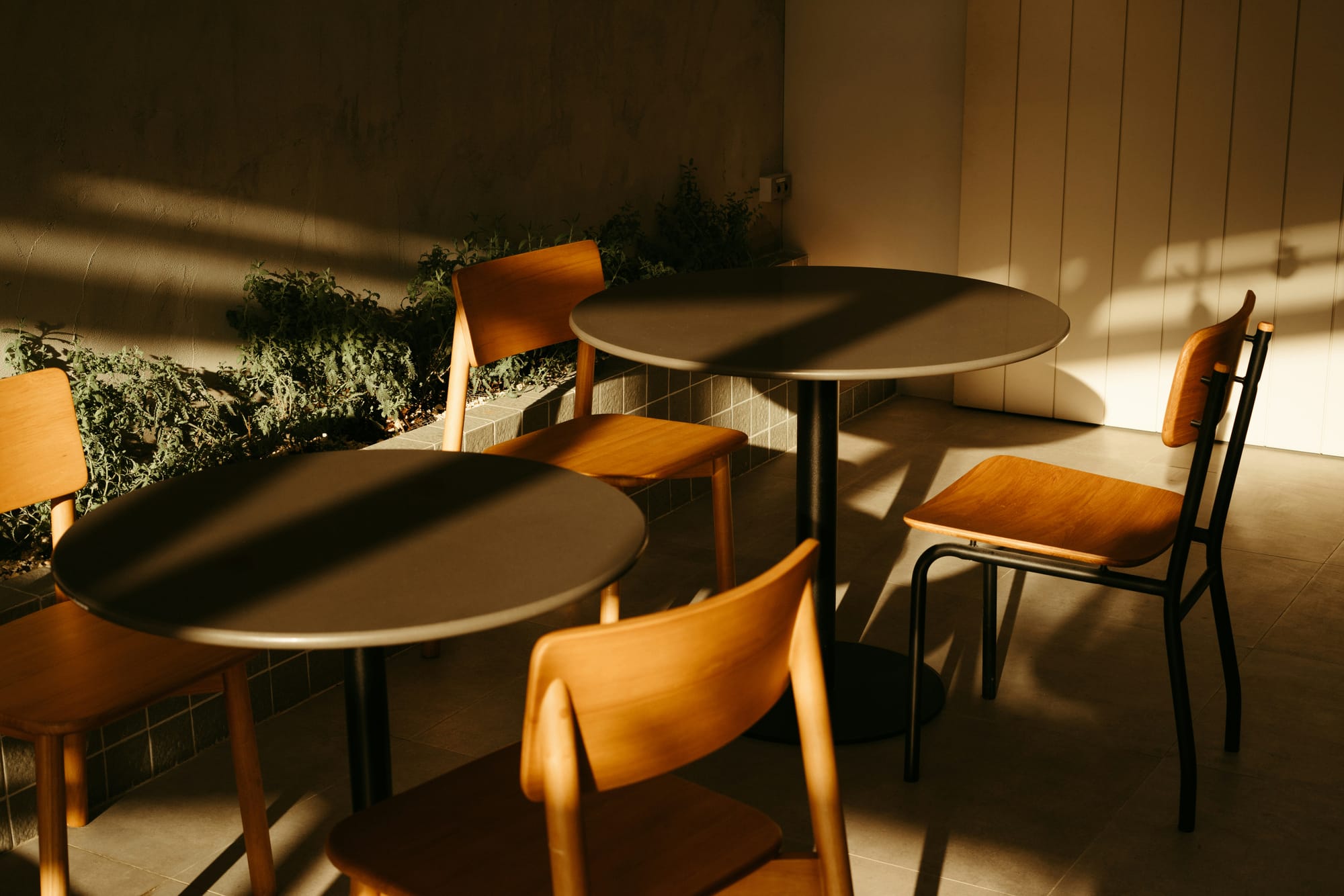
Patience changes the photograph more than styling does. The same corner can feel flat at ten in the morning and almost articulate an hour later, when light has crossed the floor and given the table a shadow. Waiting lets the room participate. It also slows the photographer enough to notice which details are carrying the mood and which ones are only filling the frame. The best domestic images often feel inevitable, but they usually arrive after the photographer has stopped trying to force the room to speak too quickly.
Quiet interiors ask for a different kind of confidence from the photographer. There may not be a single dramatic subject to hold the frame. Instead there is a set of relationships: light to wall, chair to table, object to hand, shadow to the floor it crosses. The photograph works when those relationships feel observed rather than arranged. It fails when the room begins to look as though it has been holding its breath for too long.
Patience changes the photograph more than styling does. The same corner can feel flat at ten in the morning and almost articulate an hour later, when light has crossed the floor and given the table a shadow. Waiting lets the room participate. It also slows the photographer enough to notice which details are carrying the mood and which ones are only filling the frame. The best domestic images often feel inevitable, but they usually arrive after the photographer has stopped trying to force the room to speak too quickly.
The most generous home photographs leave some privacy intact. They show enough to make the room believable, but not so much that the viewer feels they have been invited to inspect everything. A closed door, a cropped shelf, a surface that continues beyond the frame can protect that feeling. The result is not secrecy. It is respect for the life that continues after the photograph has been taken.