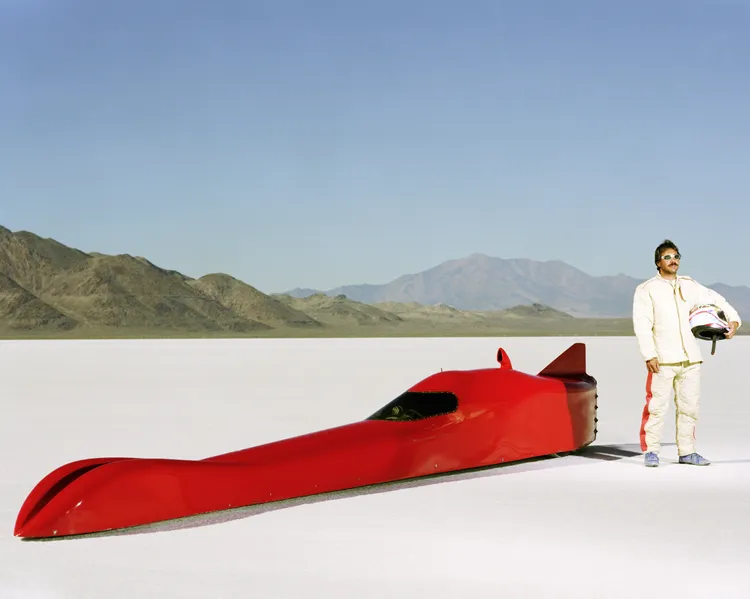
A season gives movement a frame. The same gestures return under different pressure: the warm-up, the pause before a whistle, the repeated route, the tired walk back to position. Over time, repetition becomes form. What changes is the surface around it: weather, color, shadows, crowd noise, and the small adjustments made by bodies that know the pattern but not the day.
The eye starts to notice what the scoreboard cannot hold. A line of players waiting to enter, tape on a wrist, a jacket over a bench, the geometry of feet near a sideline. These details make the season feel human. They show preparation, fatigue, patience, and the systems that hold the spectacle together. The public moment depends on private repetitions that rarely become the headline.
Photographing that rhythm requires waiting before and after the obvious moment. The best frame may arrive just after the action, when the body is still carrying effort but the crowd has already looked away. That in-between space gives the story texture. It holds the moment after intensity, when the surface of performance briefly gives way to something more vulnerable.
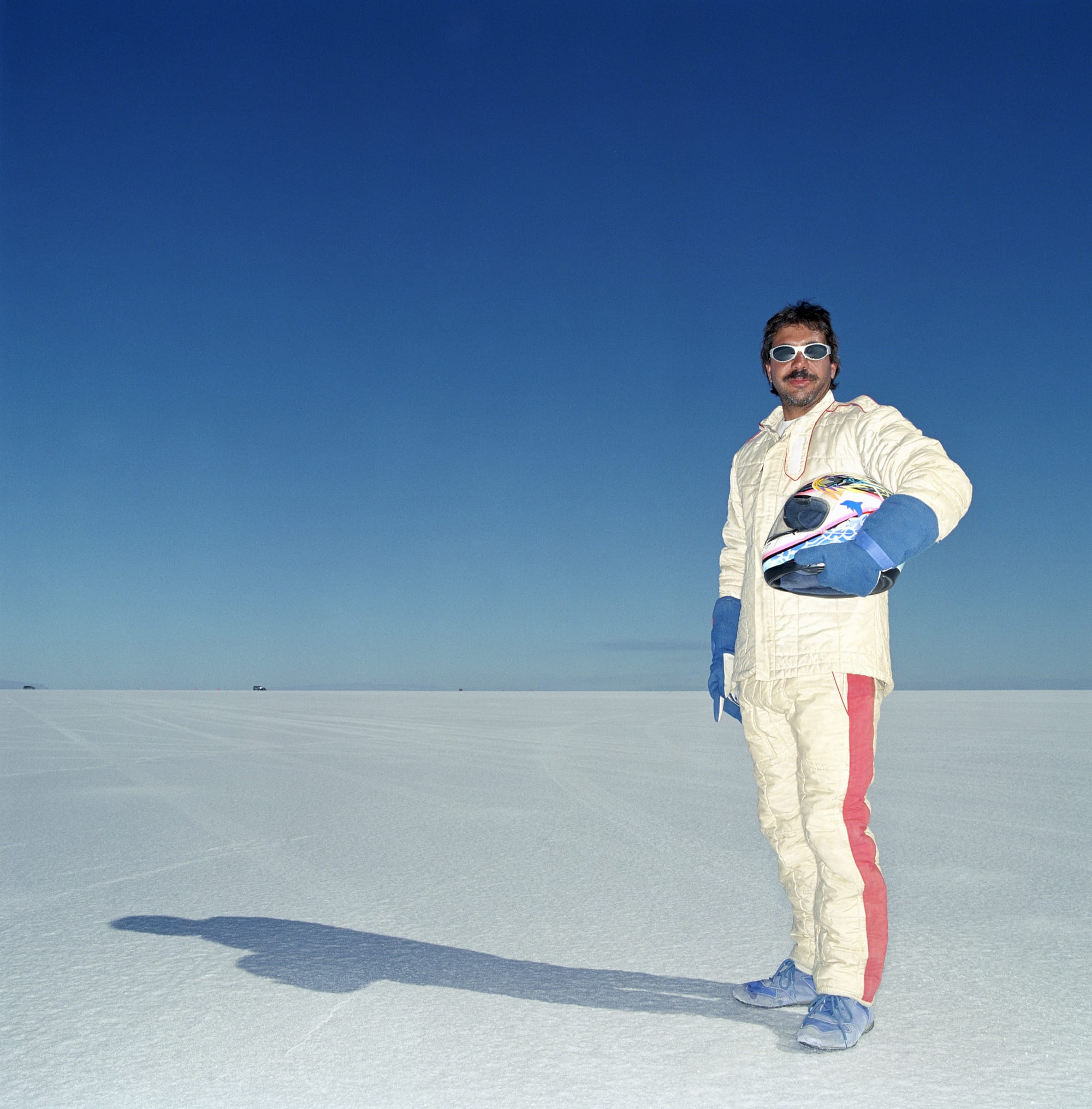
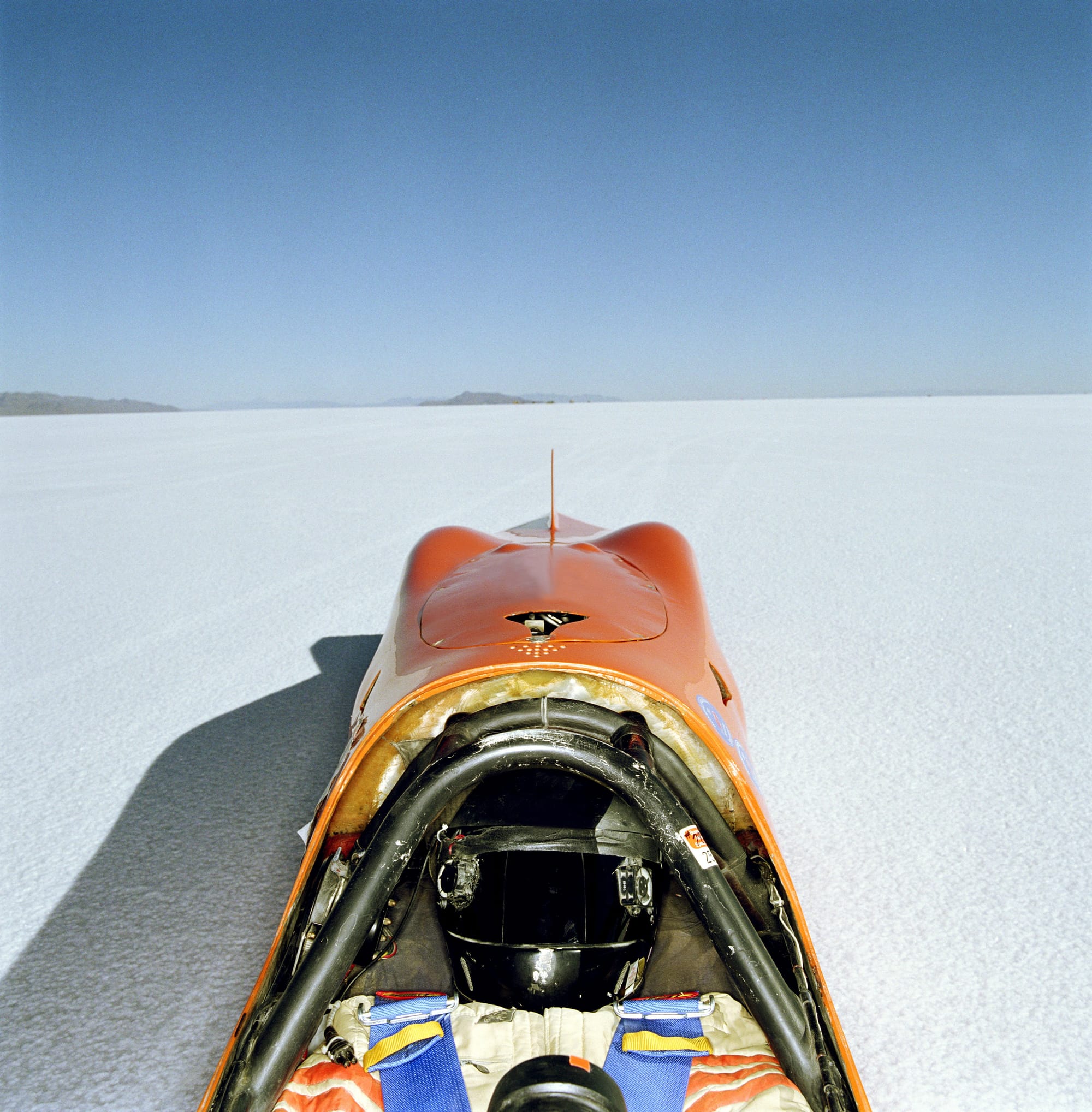
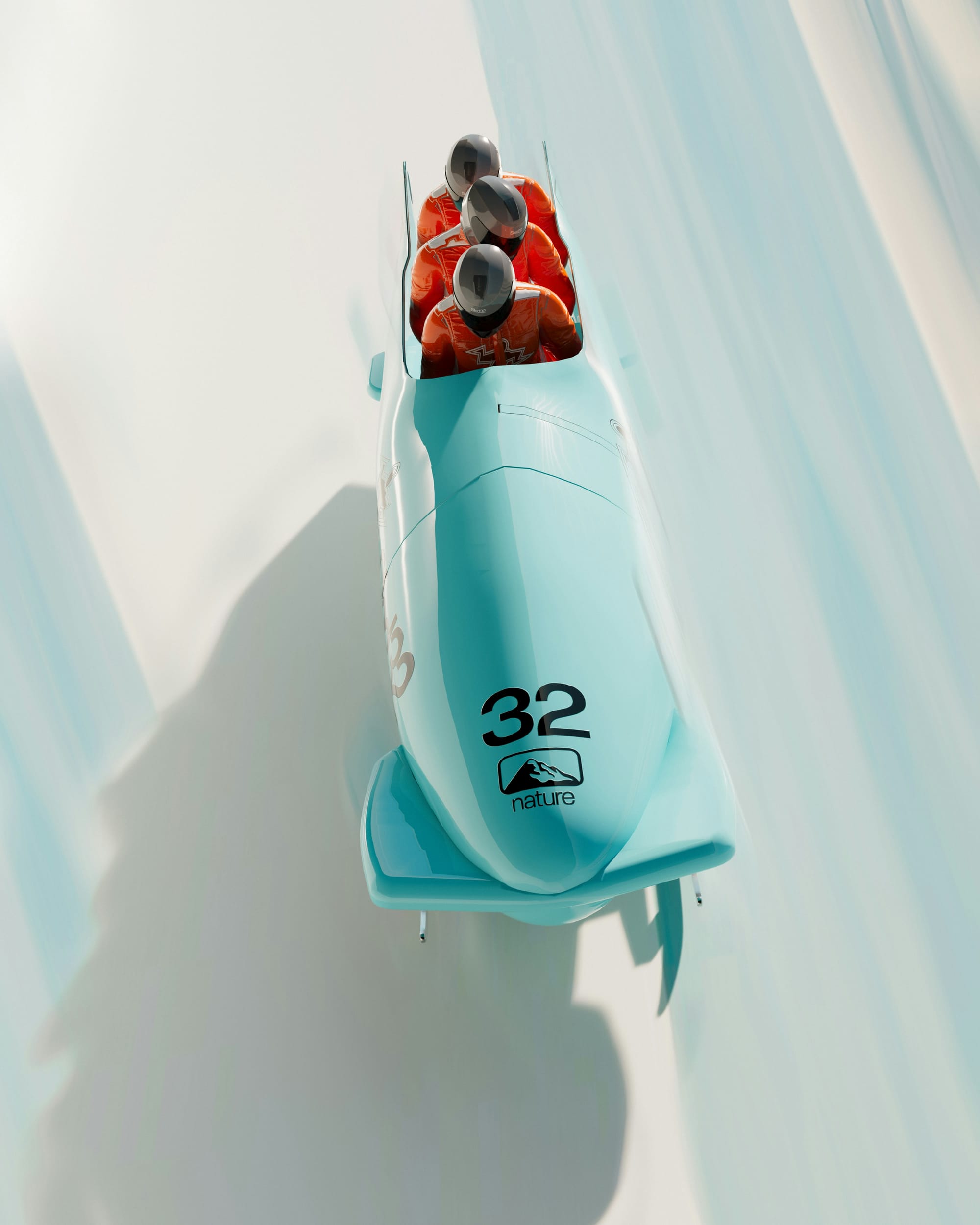
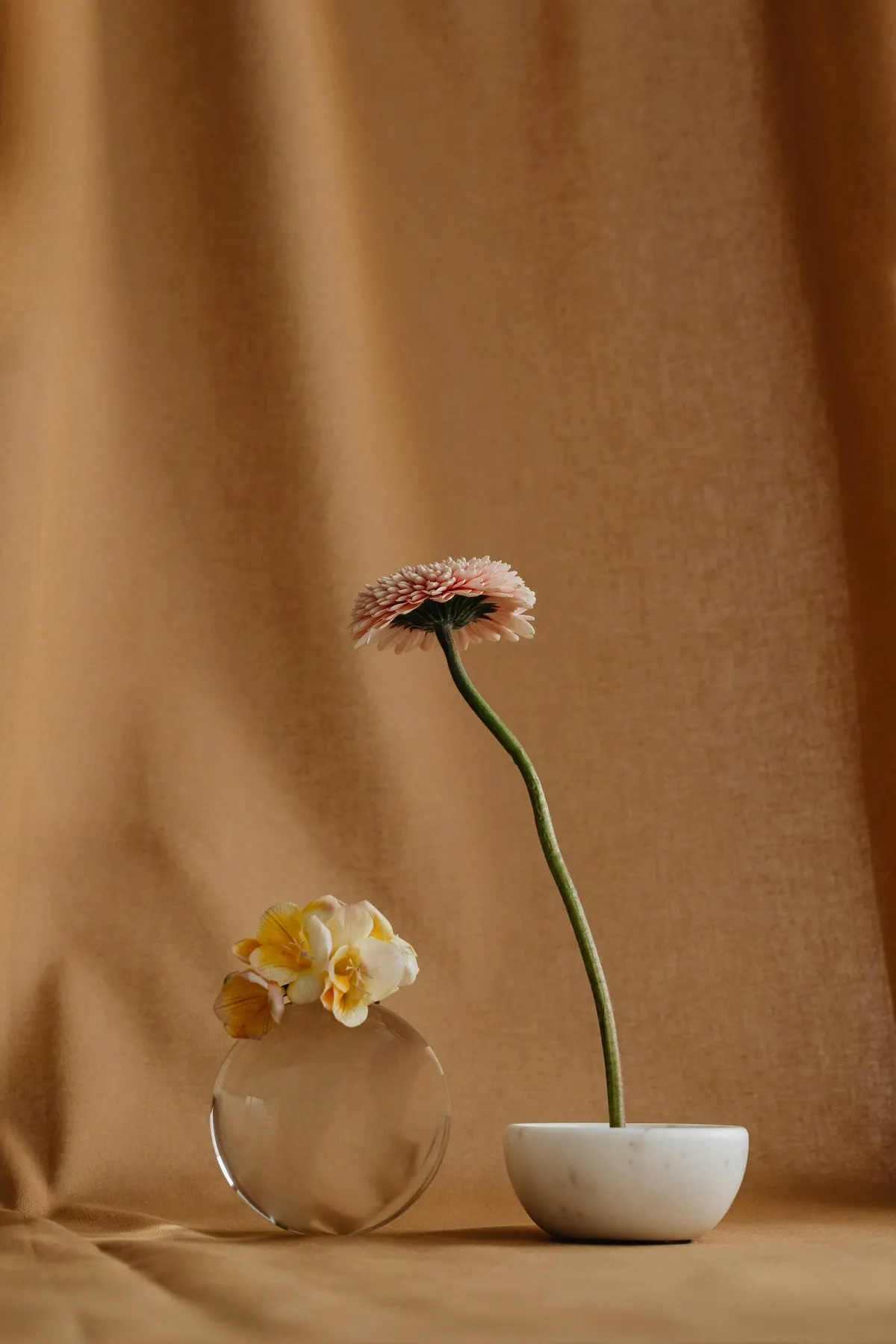
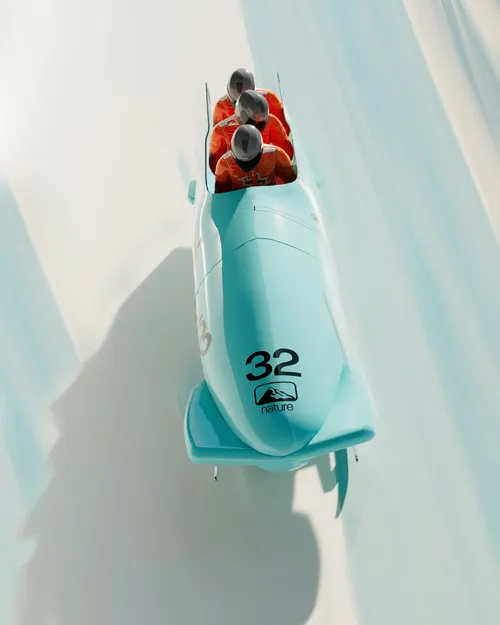
Every season develops a palette. Not just official colors, but the weathered tones around them: grass after rain, indoor light, dust, concrete, plastic seats, and late afternoon. When those colors repeat across a series, the viewer recognizes the world before reading the caption. Color becomes a form of memory, and memory becomes one of the ways a season stays together.
It holds the moment after intensity, when the surface of performance briefly gives way to something more vulnerable.
A season deserves an archive because meaning often arrives late. A frame that feels minor in week one can become important after the pattern repeats, breaks, or returns under different pressure. Keeping those quieter frames lets the final story feel lived, not only summarized. Form is what remains when the moment has passed, and sometimes the smallest frame holds it best.
The public story of a season tends to favor peaks: the win, the loss, the injury, the final point, the unexpected turn. But the visual story is often more patient. It gathers in the repetitions that surround those peaks. The same shoes on a different surface, the same gesture under a different light, the same face before and after pressure. These repetitions make the season feel less like a sequence of outcomes and more like a body of time.
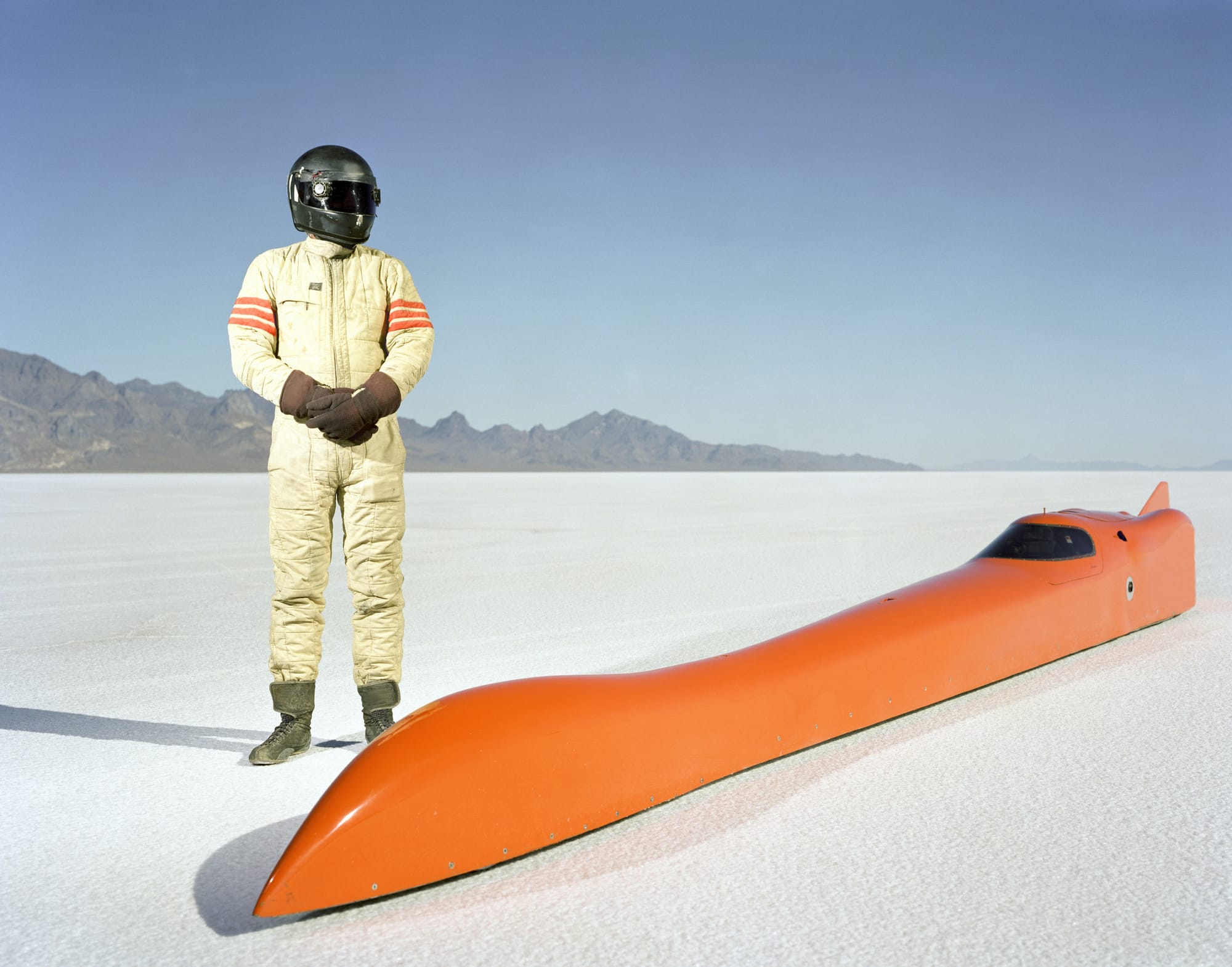
A good seasonal archive should leave room for the uncelebrated frame. The photograph taken before the crowd arrived may later explain the mood better than the photograph everyone expected. The quiet image after the event may hold more truth than the peak itself. Sport is full of visible effort, but its memory is often made from the things that happen around effort: waiting, returning, adjusting, standing still while the next moment prepares itself.
A season deserves an archive because meaning often arrives late. A frame that feels minor in week one can become important after the pattern repeats, breaks, or returns under different pressure. Keeping those quieter frames lets the final story feel lived, not only summarized. Form is what remains when the moment has passed, and sometimes the smallest frame holds it best.
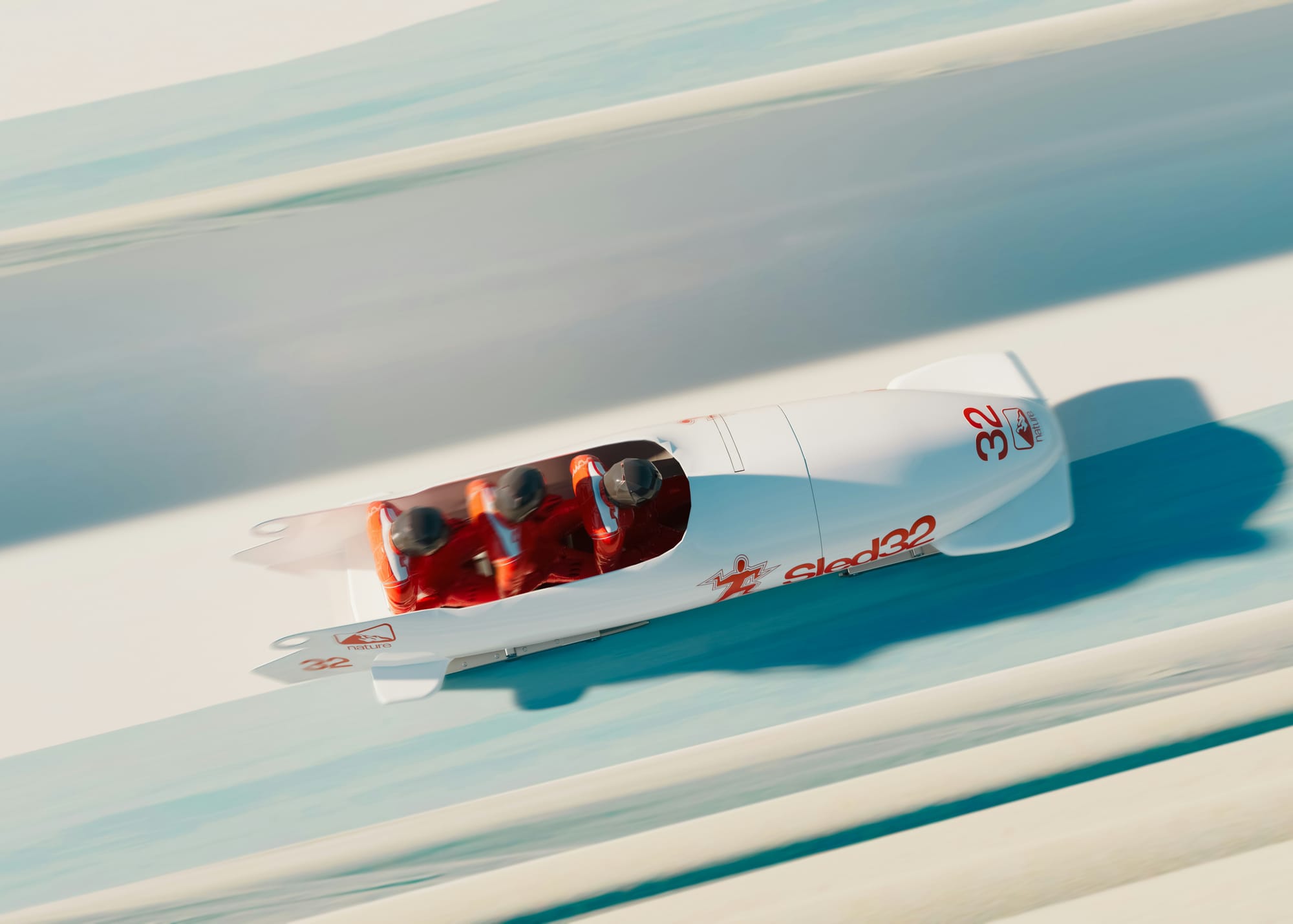
The public story of a season tends to favor peaks: the win, the loss, the injury, the final point, the unexpected turn. But the visual story is often more patient. It gathers in the repetitions that surround those peaks. The same shoes on a different surface, the same gesture under a different light, the same face before and after pressure. These repetitions make the season feel less like a sequence of outcomes and more like a body of time.
There is also a humility in following a season visually. The photographer does not know which details will matter later. A bench, a shadow, a warm-up, a quiet face in the background may seem incidental until the season gives it meaning. This uncertainty changes the way the work is made. It asks for attention that is broad enough to collect, but patient enough not to decide too soon.
By the end, a season is less a line than a field of returns. The same place has been entered many times, but never under the same conditions. The final story should carry that layered feeling. It should not only show what happened; it should show how time gathered around what happened. That is where sport becomes more than event. It becomes form.