
Match day is a color system before it is a story. Scarves, seats, signs, grass, floodlights, jackets, shoes, and weather begin to work together before the game fully starts. The crowd may arrive for the action, but the place announces itself through color long before the first decisive moment. Color gathers at the edges, then spreads until the whole event has a visual temperature.
The strongest images often happen away from the center. A sleeve against a rail, a paper cup near a painted line, a row of empty seats before the crowd arrives. These details hold the day without needing the main action. They make the event feel public, specific, and slightly unfinished. The eye can understand belonging before it understands the score.
A good color story needs restraint. If every frame is loud, no frame can lead. Leave room for quieter tones so the brighter moments have somewhere to land. The sequence should move like arrival, intensity, release: first the world, then the pressure, then what remains after the noise moves on. That rhythm lets the story breathe without losing the charge of the day.

The end of the event often gives the color story its final note. Empty seats, discarded paper, tired light, and slower movement can make the earlier intensity feel earned. Do not leave too quickly. The public mood changes after the peak, and that change can make the sequence more complete. After the crowd has moved on, color becomes less symbolic and more intimate.
Color gathers at the edges, then spreads until the whole event has a visual temperature.
A small written note beside each frame can help the edit later. Name the color, the place, and the feeling it carried. Those notes make the sequence easier to shape once the event is no longer loud in memory. A match-day story should feel public without becoming crowded, and remembered without becoming sentimental.
What color does well in a public event is make feeling visible before language arrives. A person can step into the street and know something has changed because the city has begun repeating itself: a scarf in a window, a jacket at a crossing, a stripe of paint on a wall that suddenly belongs to the day. The event expands beyond the venue through these small signals. It becomes something the whole place seems to be wearing.

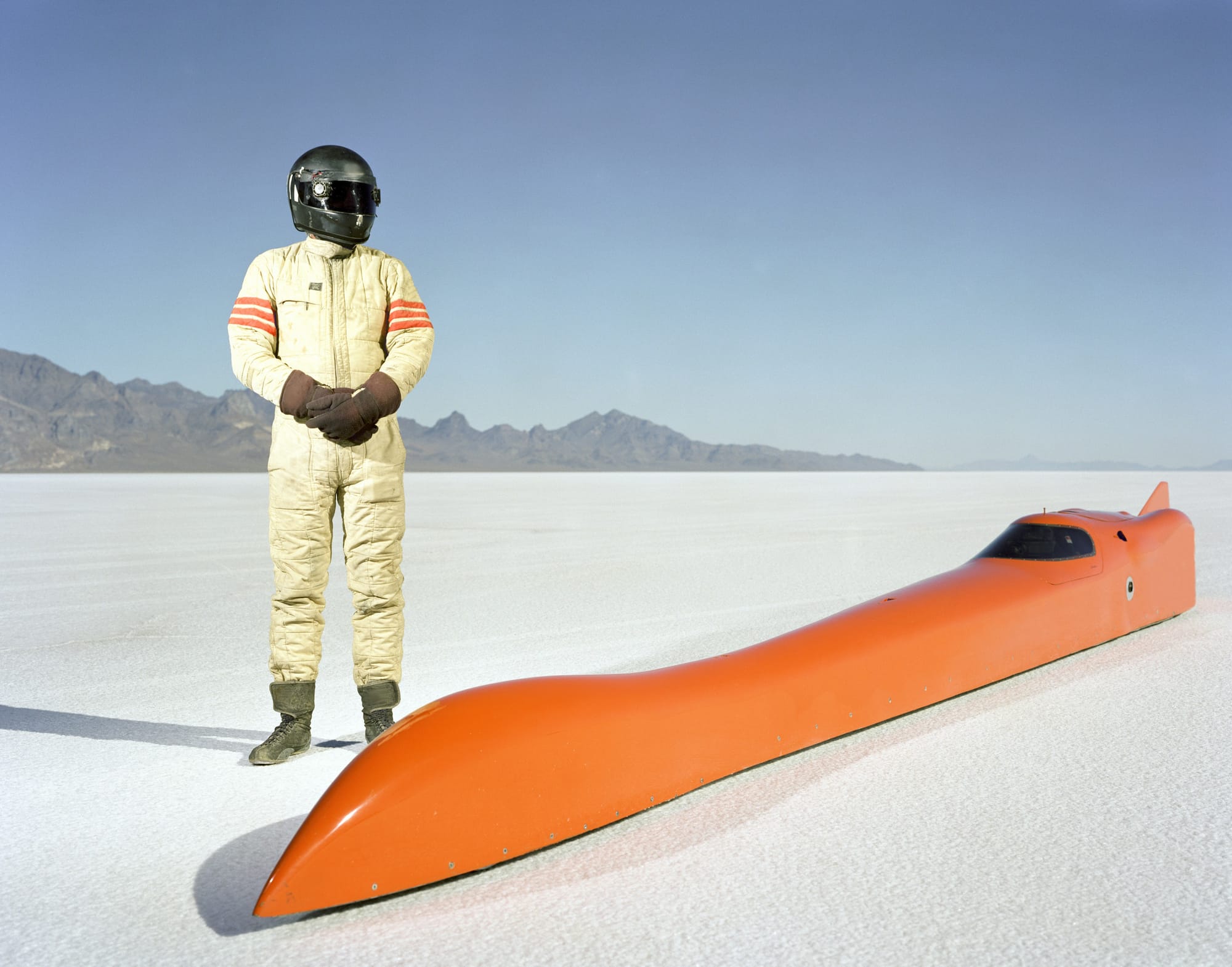
Later, when the score is already known, color may be what keeps the day alive in memory. Not the exact sequence of play, but the color of the sky above the seats, the tone of wet concrete, the brightness of a sleeve in the crowd. These details are not secondary to the event. They are how the event becomes place, and how place becomes something a viewer can remember after the noise has thinned.
There is a stage before the event begins when color feels almost theatrical. People arrive separately, each carrying a fragment of the larger palette, and slowly the fragments recognize each other. A scarf near the station, a jacket in the queue, a child holding a flag that is too large for their hand. These small arrivals are part of the story because they show belonging being assembled in public.

The afterimage matters just as much. Long after the main action has been forgotten, a person may remember the color of the light at the exit, the wet shine on the steps, or the way a bright sleeve moved through a gray crowd. Those details keep the day from becoming only a result. They return it to the body, to weather, to place, and to the strange tenderness of shared attention.
Later, when the score is already known, color may be what keeps the day alive in memory. Not the exact sequence of play, but the color of the sky above the seats, the tone of wet concrete, the brightness of a sleeve in the crowd. These details are not secondary to the event. They are how the event becomes place, and how place becomes something a viewer can remember after the noise has thinned.