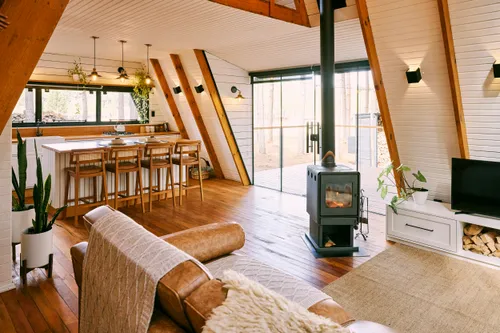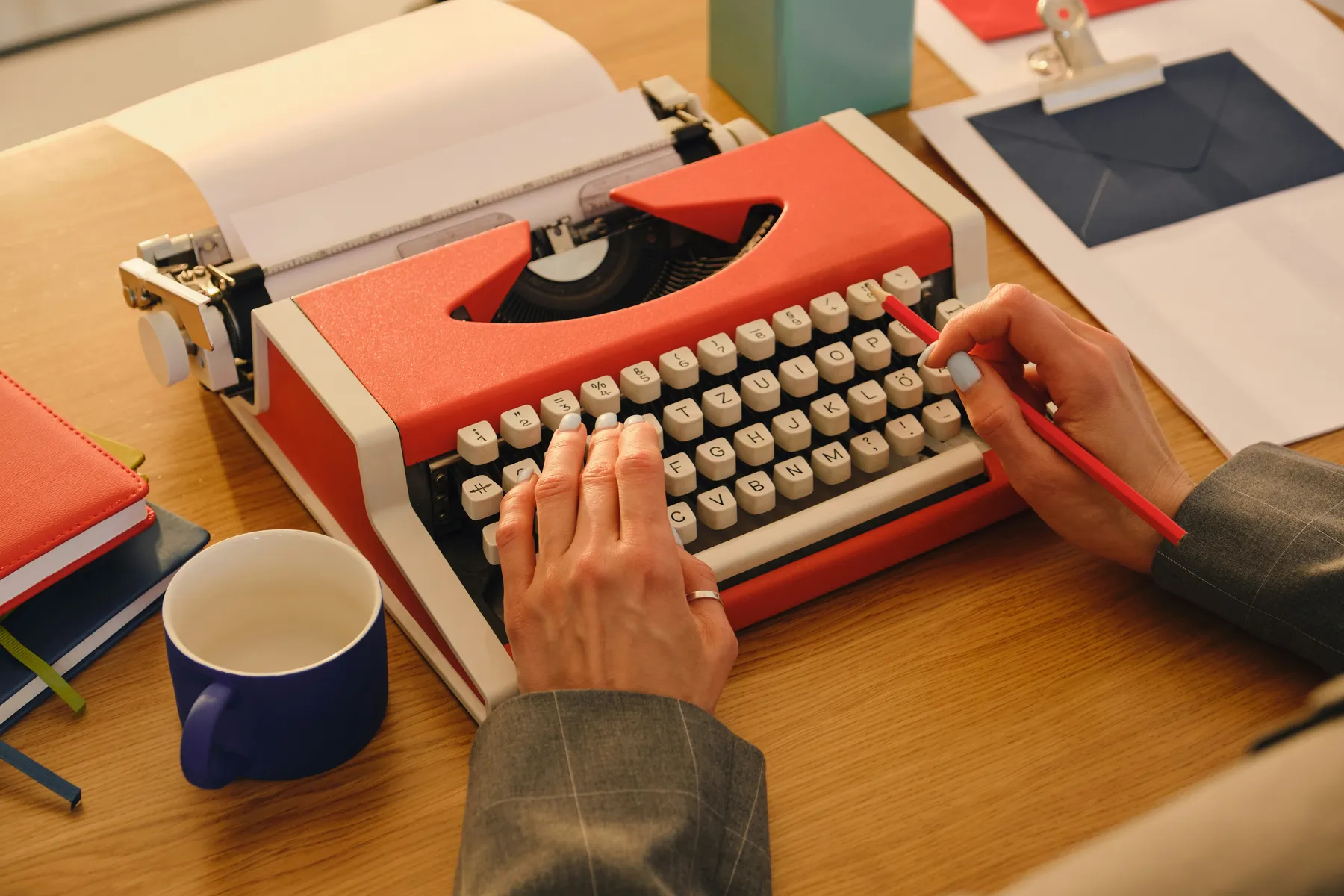
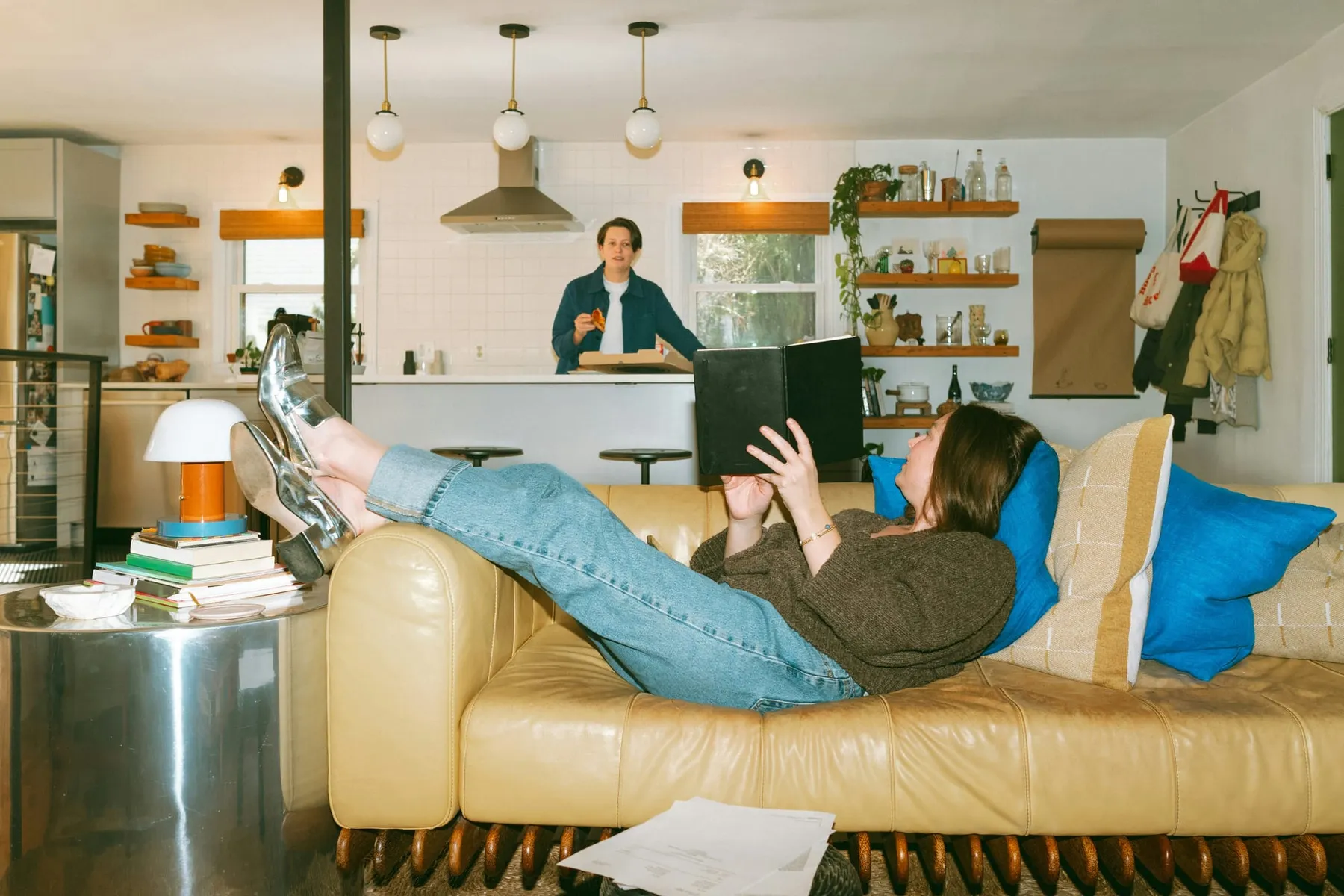
A home studio tour can become a list of objects too quickly. The more useful version asks what each object makes possible. A chair is not only a chair if it is where the morning edit happens. A shelf is not only storage if it keeps unfinished work close enough to return to. A room becomes interesting when its objects stop being possessions and start becoming evidence of a practice.
The edit began by walking through the room with the camera lowered. Eye-level shots made everything feel like inventory. Lower angles showed where the hands work: the table edge, the shelf, the light switch, the path between desk and wall. The room became less about what it contained and more about what it allowed. The useful story was not ownership, but movement.
The most important parts were not the newest tools. They were the systems that keep friction down: a tray for small pieces, a folder for active references, a place where unfinished work can stay visible without taking over the room. These systems are easy to miss because they are quiet when they work. A good workspace rarely announces its intelligence. It simply makes return easier.
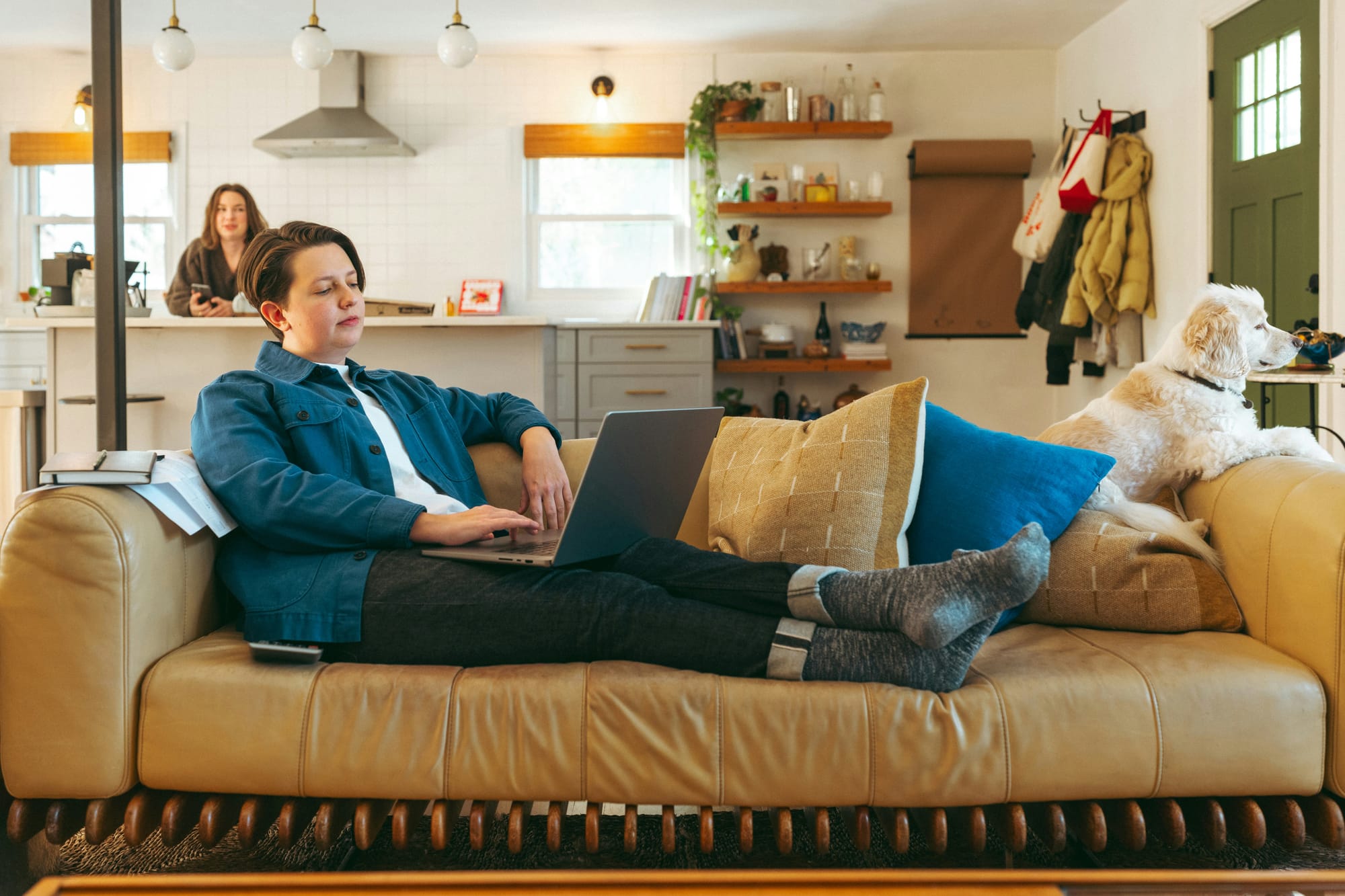
Every shot had to answer a simple question: does this help the viewer understand how the room supports the work? If the answer was no, the shot was cut even if it looked good. The same rule helped the writing. Instead of listing objects, each zone needed a verb: gather, sort, light, review, store, return. Verbs kept the room active and stopped the tour from becoming decorative.
A workspace is one of the ways the work learns its own habits.
The finished piece still behaves like a tour, but it carries a more useful story: how a room holds attention, how tools find their place, and how a practice becomes visible through the spaces it repeats. A workspace is a self-portrait made slowly, not from what it displays, but from what it helps happen again and again.
The home studio carries a tension that a separate workplace does not. It has to hold a practice without pretending the rest of life has disappeared. A stack of books may sit near a domestic object; a cable may cross a surface that is also used for lunch. The room is interesting because it negotiates these overlaps. It does not solve them completely, and perhaps it should not. The overlap keeps the work close to the life that feeds it.
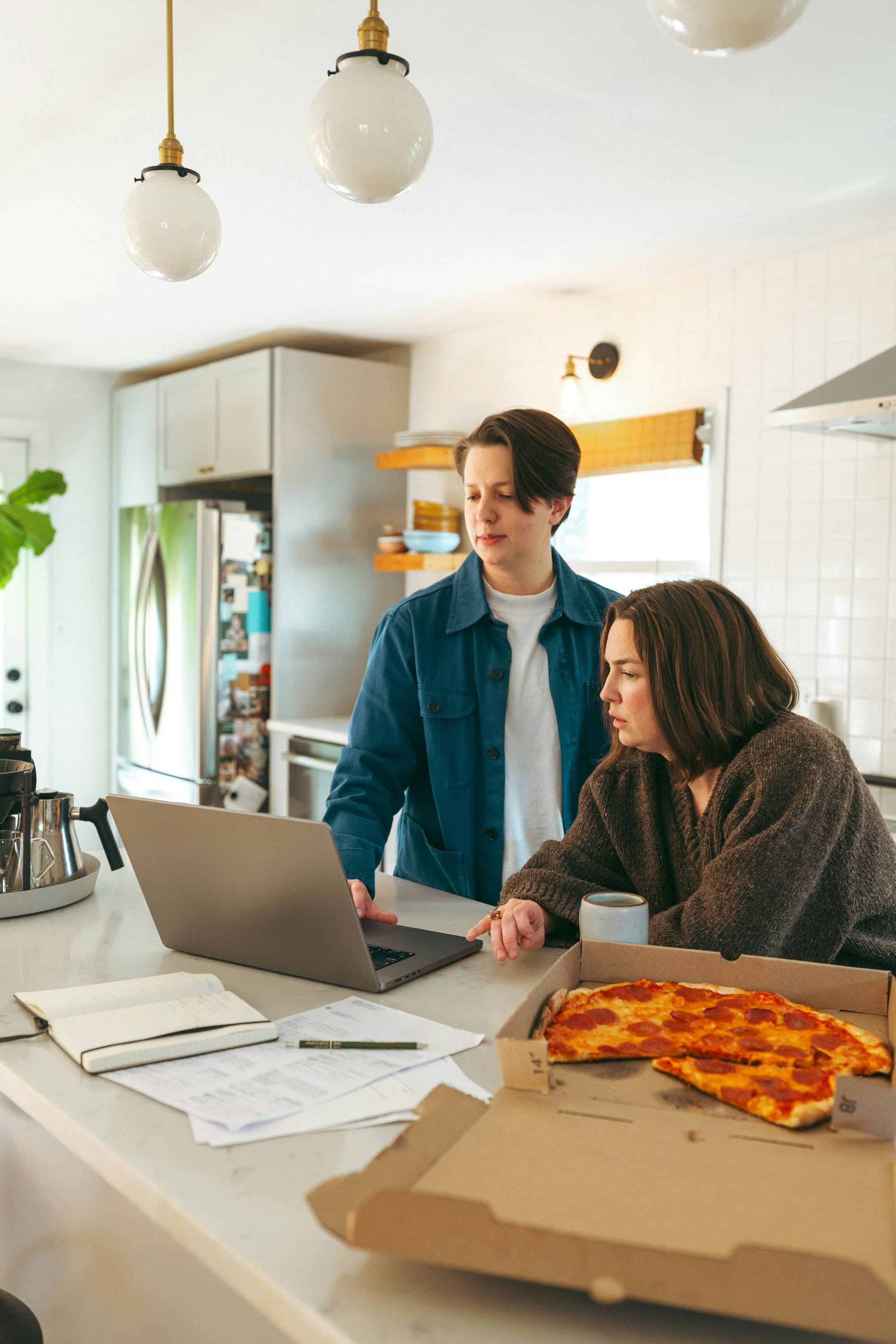
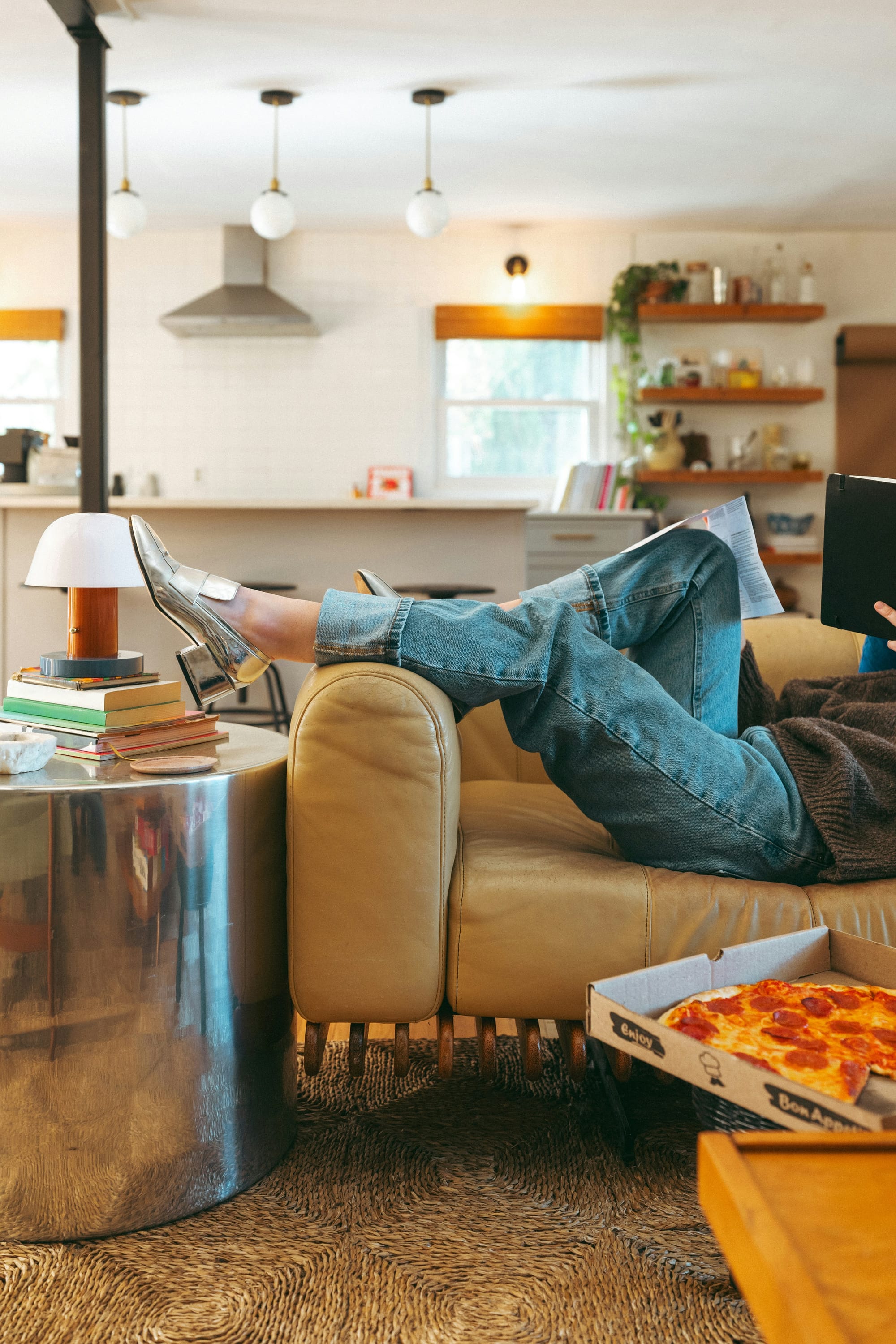
What the tour finally reveals is not a formula for the perfect room, but a series of priorities. This person needs references within reach. This person needs the desk to clear quickly. This person thinks better with one chair near the window and another at the table. A studio becomes intimate when its practical decisions begin to describe a mind at work. The room is not simply where work happens. It is one of the ways the work learns its own habits.
Because the studio is at home, its compromises are part of its character. The perfect studio is a fantasy of separation: one space for work, one space for life, no overlap, no interruption, no object with more than one job. Most real rooms are less pure and more interesting. They reveal how a person actually protects concentration while living beside it. The tour became better once it stopped hiding those negotiations.
The final edit left the room with some roughness intact. Not mess for effect, but evidence that the room continues beyond the camera. A surface can be cleared and still feel used. A shelf can be organized and still feel personal. That balance is what made the tour feel credible. It did not offer the dream of a perfect workspace. It offered the more useful image of a room that keeps helping.