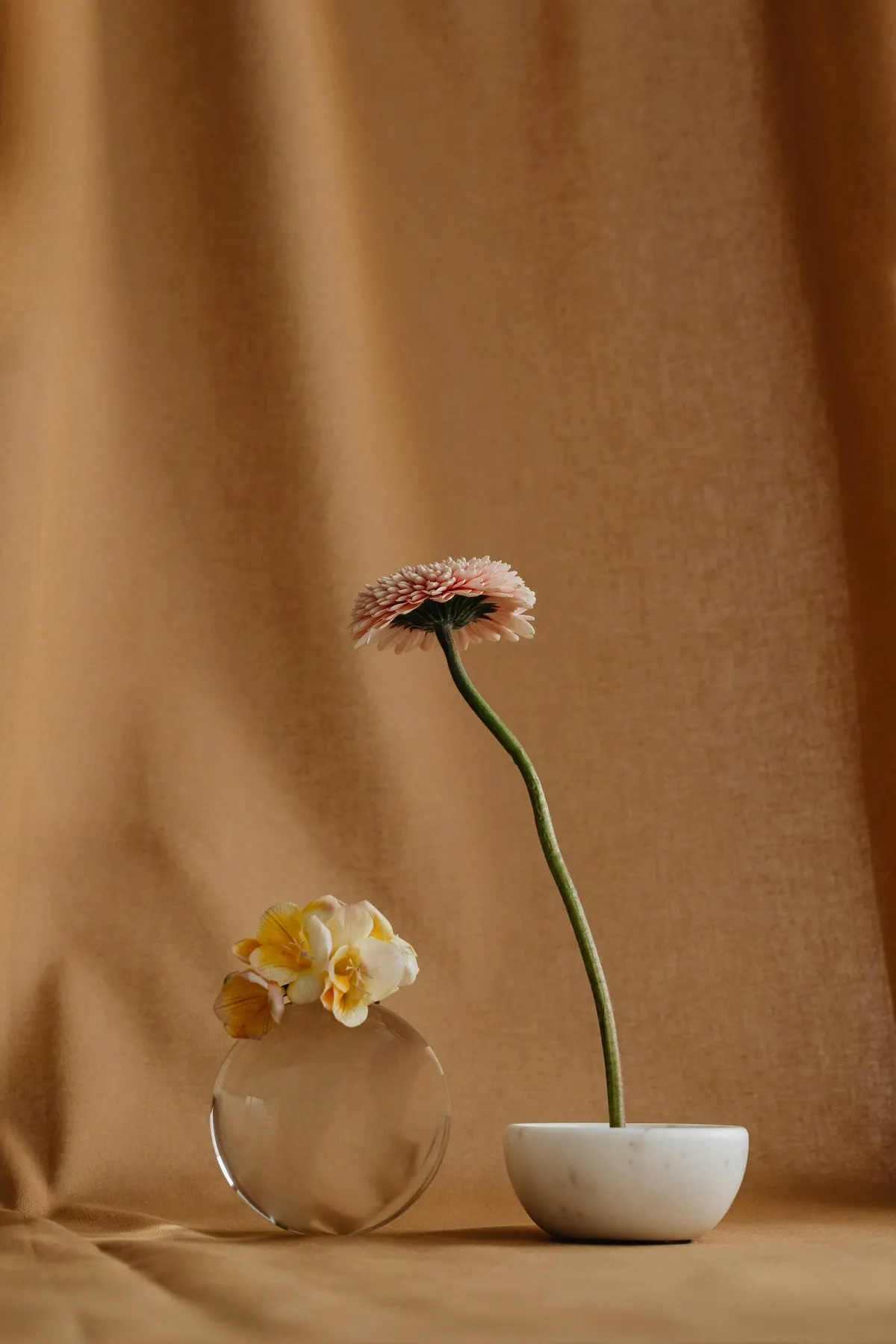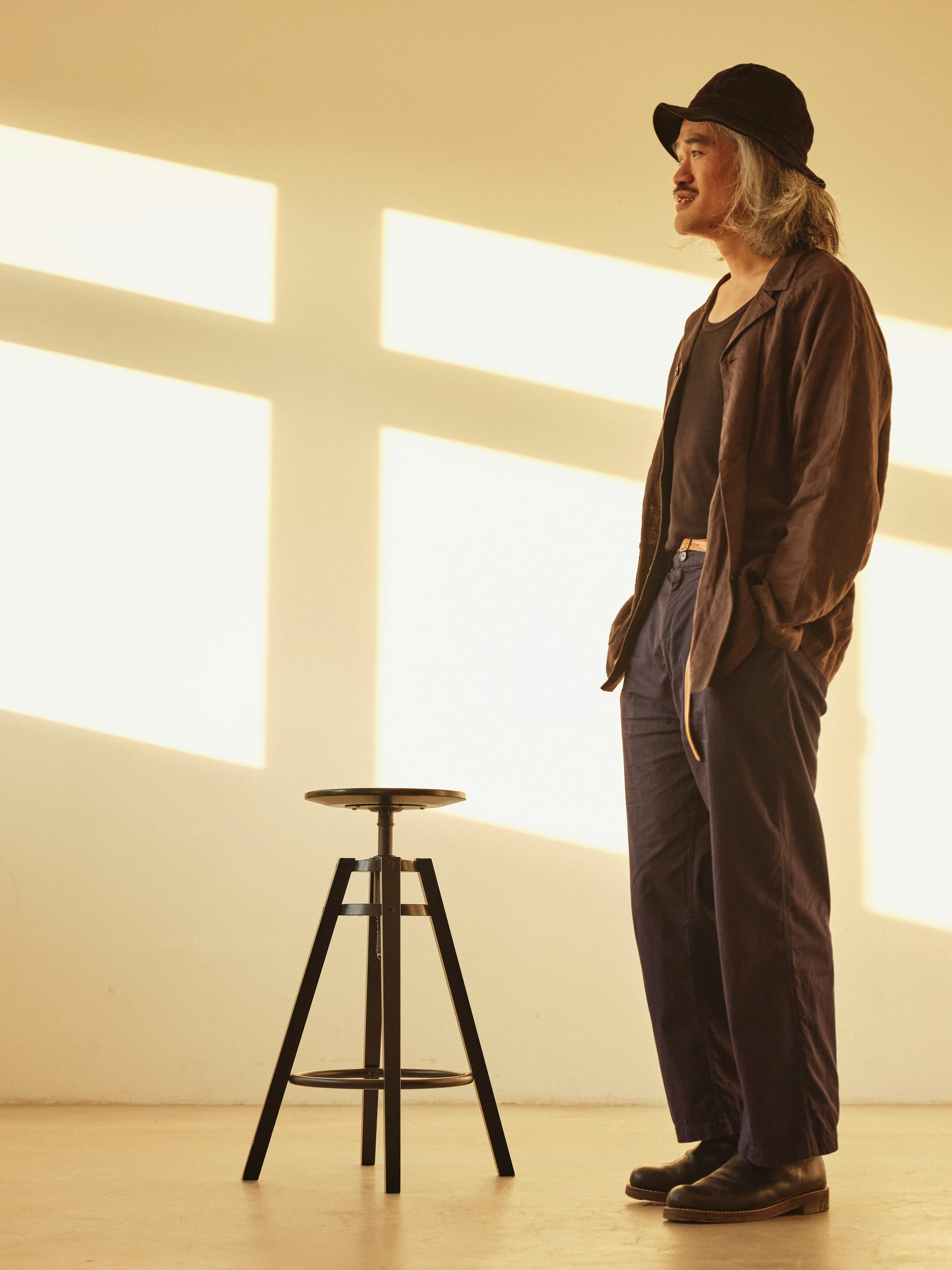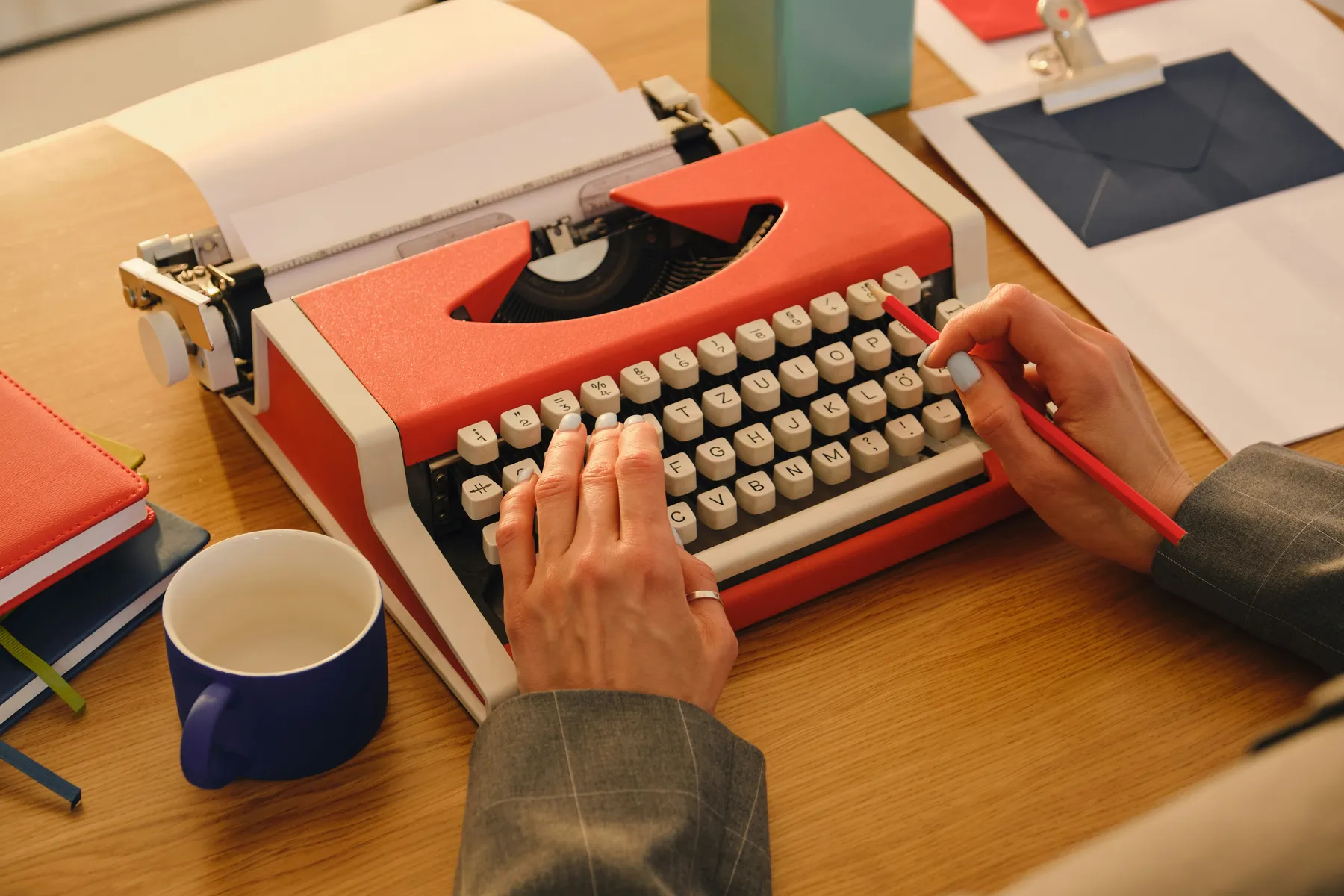

A moodboard should help a project decide. If it only collects attractive images, it becomes another place to delay the work. A useful board has pressure inside it. It asks what kind of light belongs here, which materials carry the right feeling, what should be avoided, and where the project begins to lose its nerve. The board should not flatter the maker. It should make the next decision clearer.
The first step is to separate attraction from use. Some references are beautiful but vague. Others are plain but necessary because they explain scale, rhythm, texture, or restraint. Keep the useful ones close, even if they are not the most impressive. The board is not a public performance of taste; it is a working surface. Taste may begin the collection, but usefulness has to finish it.
Instead of building one loose collage, give the board a few lanes. One lane can hold color, another material, another composition, another things to avoid. Lanes make disagreement visible. They let you see when two references want different projects, or when five images are saying the same thing with different furniture. Without that structure, the board can look rich while the project remains undecided.
Under each lane, write a plain translation. Soft morning light. Narrow margins. Rough surface. No glossy black. These notes keep the board from drifting back into mood. They also make it easier to share the board with someone who was not in the room when the references were gathered. A note does not need to sound clever. It needs to preserve the reason the reference was invited in.
Taste may begin the collection, but usefulness has to finish it.
The board is ready when it can answer a new question. If a color option or image crop appears, the board should help decide whether it belongs. If it cannot decide, it may still be too general. A final board does not need to answer everything. It only needs to make the next round of decisions less mysterious, and to hold the project still long enough for judgment to arrive.
A board can also become too beautiful too early. When the surface starts to look resolved, people become reluctant to disturb it, even if the project underneath is still unclear. That is why the working board should stay a little rough. Tape can show where the argument is still moving. Empty space can show what has not yet been answered. A board that is allowed to remain provisional gives the team permission to think, while a board that looks finished may quietly start asking everyone to agree.
The useful moodboard is not the one that receives the most compliments. It is the one that prevents weaker decisions from entering the work later. When the palette drifts, the board brings it back. When a reference looks exciting but belongs to another project, the board makes the mismatch visible. When fatigue makes every option look acceptable, the board remembers the earlier clarity. In that way it becomes less a collage than a small contract with the original intention.
A good board also changes the conversation in the room. Instead of asking whether someone likes an image, the team can ask what the image is doing. Is it carrying weight, pace, surface, contrast, restraint, memory? That shift matters because liking is often too private to be useful. A project needs language that can be shared, challenged, and revised. The board becomes a way to move from taste as preference to taste as decision.
When the project is finished, the board may look almost modest compared with the work it helped make. That is not a weakness. The best references do not remain visible as borrowed style; they disappear into proportion, emphasis, and refusal. They become part of the work's judgment. A useful moodboard is successful when the final piece no longer needs to point back to it, even though it could not have arrived there without it.